P
Loading blog...
Loading blog...
Qualitative coding software does not do the analysis for you. But it makes managing large qualitative datasets significantly more rigorous and reproducible.
Priya Nair
Apr 21, 2026•4 min read
At some point in your qualitative research career, someone has told you that you should be using NVivo. Or ATLAS.ti. Or MAXQDA. They said it with the confidence of someone who equates the use of the software with the quality of the analysis.
They were partly right and importantly wrong.
Qualitative analysis software is a data management tool. It helps you organize, store, search, retrieve, and cross-reference your qualitative data at a scale that would be impossible with printed transcripts and colored highlighters. What it does not do is analyze your data. That is still your job, and using software does not make the analytical thinking happen.
What it does do, when used well, is make rigorous analysis more achievable when working with large volumes of qualitative material.
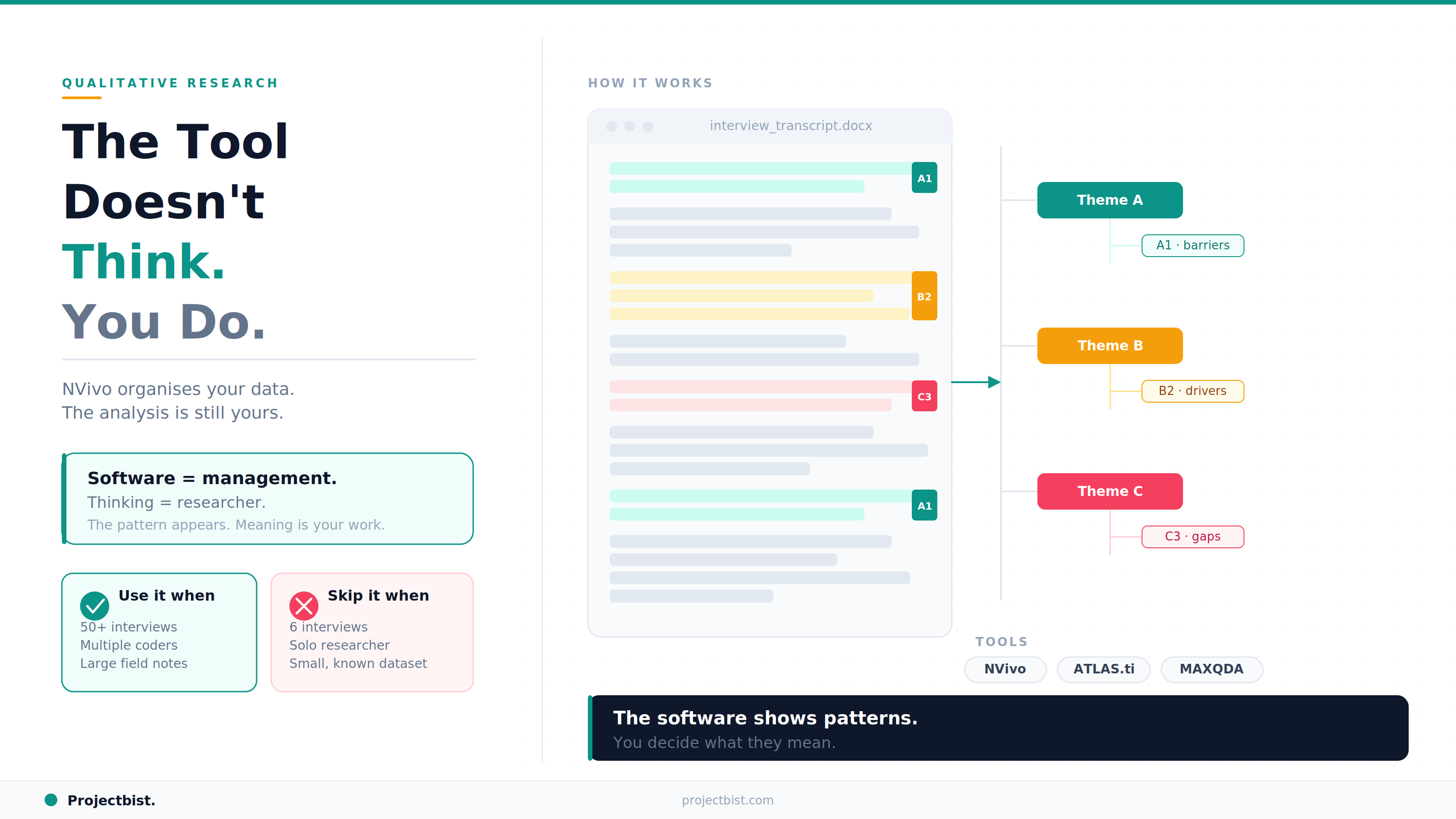
NVivo is the most widely used qualitative data analysis software globally. Its core function is allowing you to import qualitative data (interview transcripts, focus group recordings and transcripts, field notes, documents, social media text, even images and videos), create a coding system, and apply codes to segments of that data.
Once coded, the software allows you to:
Use qualitative software when: you have more data than you can practically manage in word processors and spreadsheets. If you have 12 interviews, you can probably code them with a well-designed spreadsheet. If you have 50 interviews, three focus groups, and 200 pages of field notes from multiple researchers, you need a shared data management system.
Use it when: multiple coders are working on the same dataset and you need to manage inter-coder reliability. NVivo and similar tools allow you to compare coding decisions across coders and calculate reliability statistics.
Do not use it when: you have a small dataset that you know well. The set-up time for a proper NVivo project can be significant. For a six-interview study, the overhead is not justified by the benefit.
The biggest mistake qualitative researchers make with analysis software is outsourcing their thinking to it. The software shows you patterns. You have to decide what they mean.
ATLAS.ti and MAXQDA are the two main alternatives to NVivo, each with slightly different interfaces and strengths. All three use the same underlying logic. MAXQDA is often considered more accessible for new users. ATLAS.ti has a strong reputation among researchers working with visual and multimedia data. NVivo remains the most commonly referenced in research methods training and published studies. For purely collaborative cloud-based qualitative work, newer tools like Delve offer a simpler entry point with good team functionality.
Newsletter
Personalize your updates! Subscribe to ProjectBist's Newsletter and choose from the following categories.
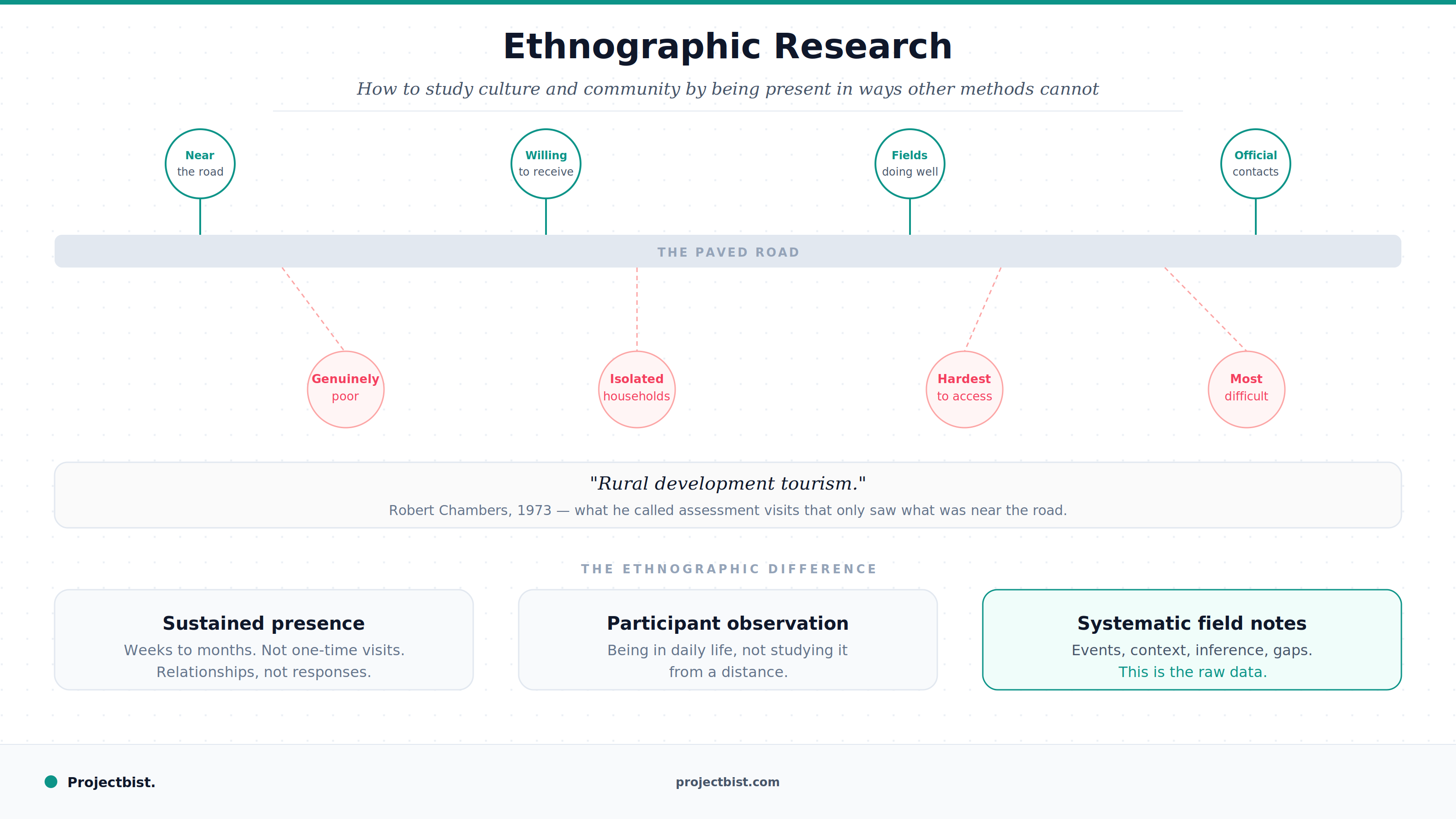
Ethnographic Research: How to Study Culture and Community by Being Present in Ways Other Methods Cannot
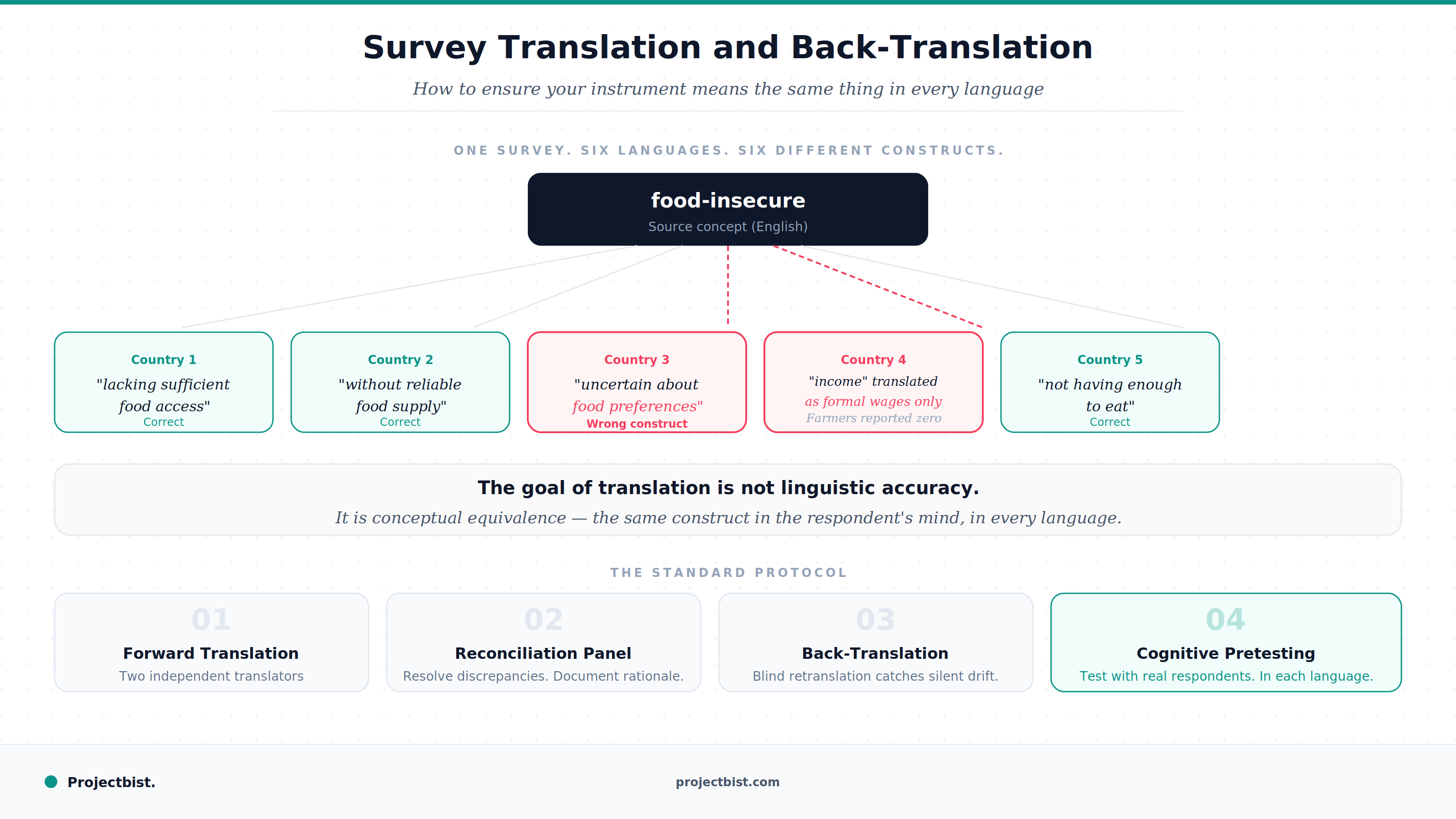
Survey Translation and Back-Translation: How to Ensure Your Instrument Means the Same Thing in Every Language
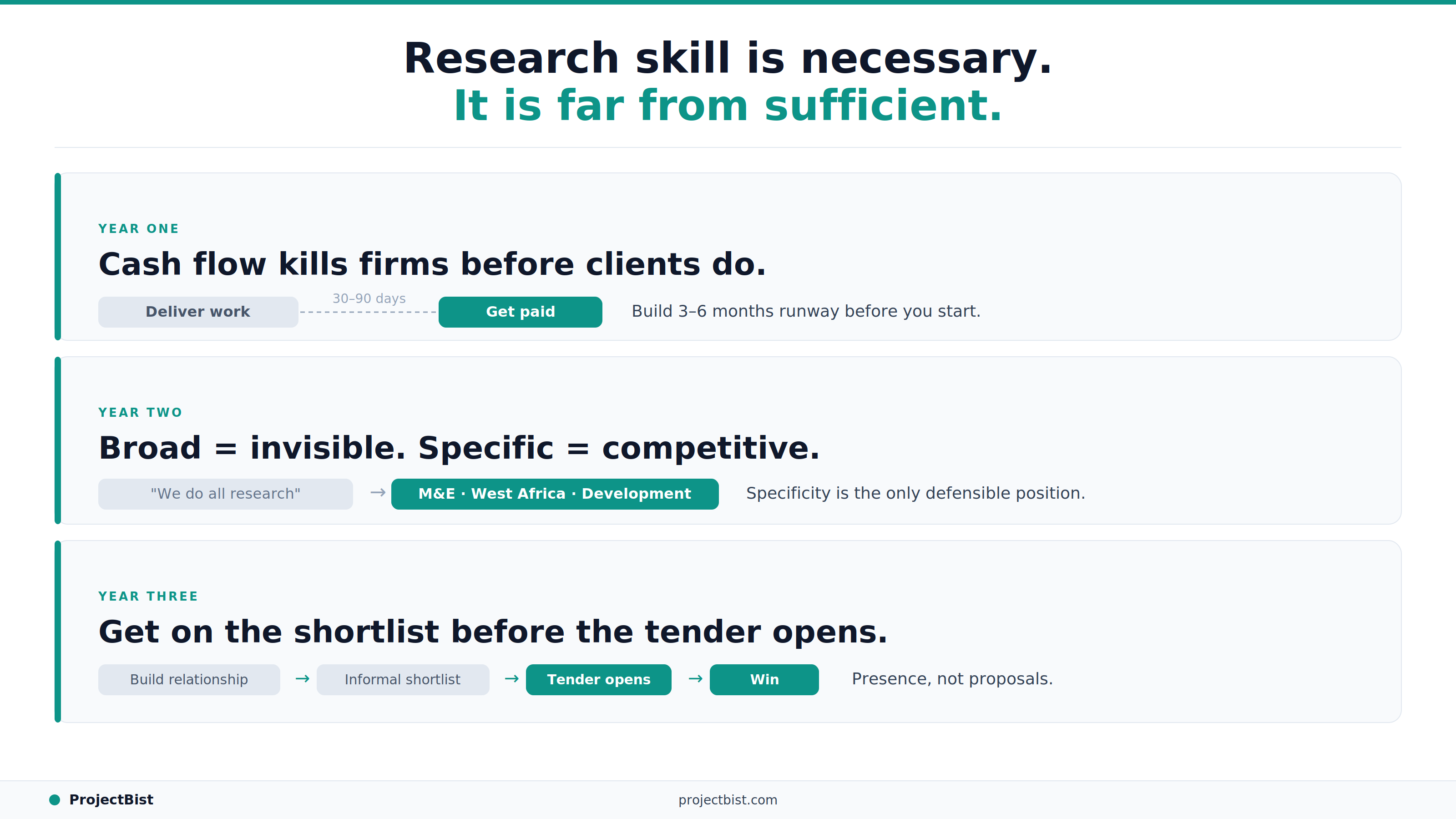
How to Build a Research Firm From Scratch: What the First Three Years Actually Require