P
Loading blog...
Loading blog...
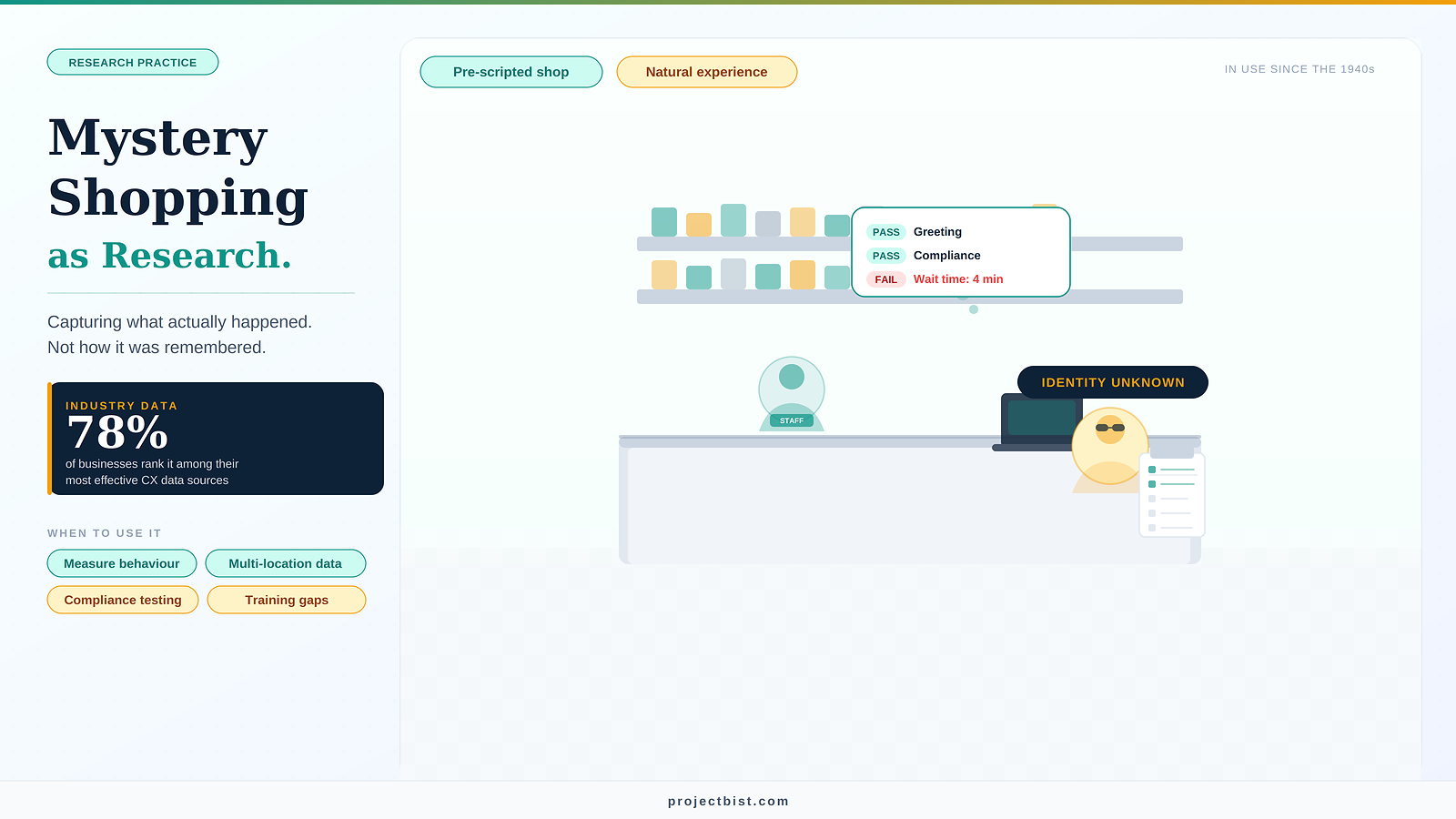
It is not a gimmick. Mystery shopping is a rigorous, mixed-methods research tool used by some of the world's largest organizations.
Luis Ortega
Apr 01, 2026•4 min read
A bank wants to know whether its branch staff are actually following compliance procedures during account opening. A restaurant chain wants to know whether the food quality is consistent across 200 locations. A telecom company wants to understand why customer satisfaction scores are high in surveys but complaints are rising in practice.
None of these questions can be reliably answered by a customer survey. By the time a customer completes a satisfaction form, the interaction they experienced may be edited by time, courtesy, or the memory of a single stand-out moment.
Mystery shopping captures what actually happened, in the moment, from the customer's perspective.
Mystery shopping, sometimes called secret shopping, is a structured research method in which trained evaluators pose as ordinary customers and assess a defined set of criteria during a real interaction with a business. The evaluator's identity is unknown to the staff being assessed, which is what makes the observation unbiased.
According to Wikipedia's entry on mystery shopping, the method has been in use since the 1940s and is now applied across retail, hospitality, banking, healthcare, public services, and online platforms. The Mystery Shopping Providers Association (MSPA) estimates that 78% of businesses using the method report it as one of their most effective sources of customer experience data.
The evaluator follows a defined scenario: they ask specific questions, request specific products, or simulate a specific customer journey. This approach produces highly consistent, comparable data across locations or time periods. It is ideal for compliance testing and performance benchmarking.
The evaluator behaves as a genuine customer would, without a pre-scripted scenario. They simply experience the interaction and record observations afterward. This produces less standardized but often richer qualitative data about the overall customer experience.
The difference between mystery shopping and a customer satisfaction survey is simple: one captures what happened, the other captures how it was remembered.
The best mystery shopping programs, including those described in Ipsos's published framework, are built around a structured evaluation instrument:
Mystery shopping is the right research tool when:
The mystery shopping industry has established professional standards through ESOMAR, MRS, and the MSPA. Key requirements include: briefing evaluators on the scope of the study and what they are and are not permitted to do; ensuring that findings are used appropriately and not to unfairly discipline individual employees without broader pattern evidence; and following data protection requirements for all recordings or written reports. In some jurisdictions, such as Nevada in the US, mystery shoppers must be licensed. Research teams should confirm relevant local requirements before deploying any mystery shopping program.
Mystery shopping done well is a high-quality research method that provides a category of insight no other tool can replicate: what the customer experience actually is, not what it is reported to be.
ProjectBist connects you with verified researchers across all methodologies.
Browse Mystery Shopping Professionalsarrow_forwardSources: Wikipedia — Mystery Shopping; Greenbook — How Does Mystery Shopping Work (2024); Ipsos Views — Mystery Shopping; Shelvz; InTouch Insight; CGAP Mystery Shopping Guide
Newsletter
Personalize your updates! Subscribe to ProjectBist's Newsletter and choose from the following categories.
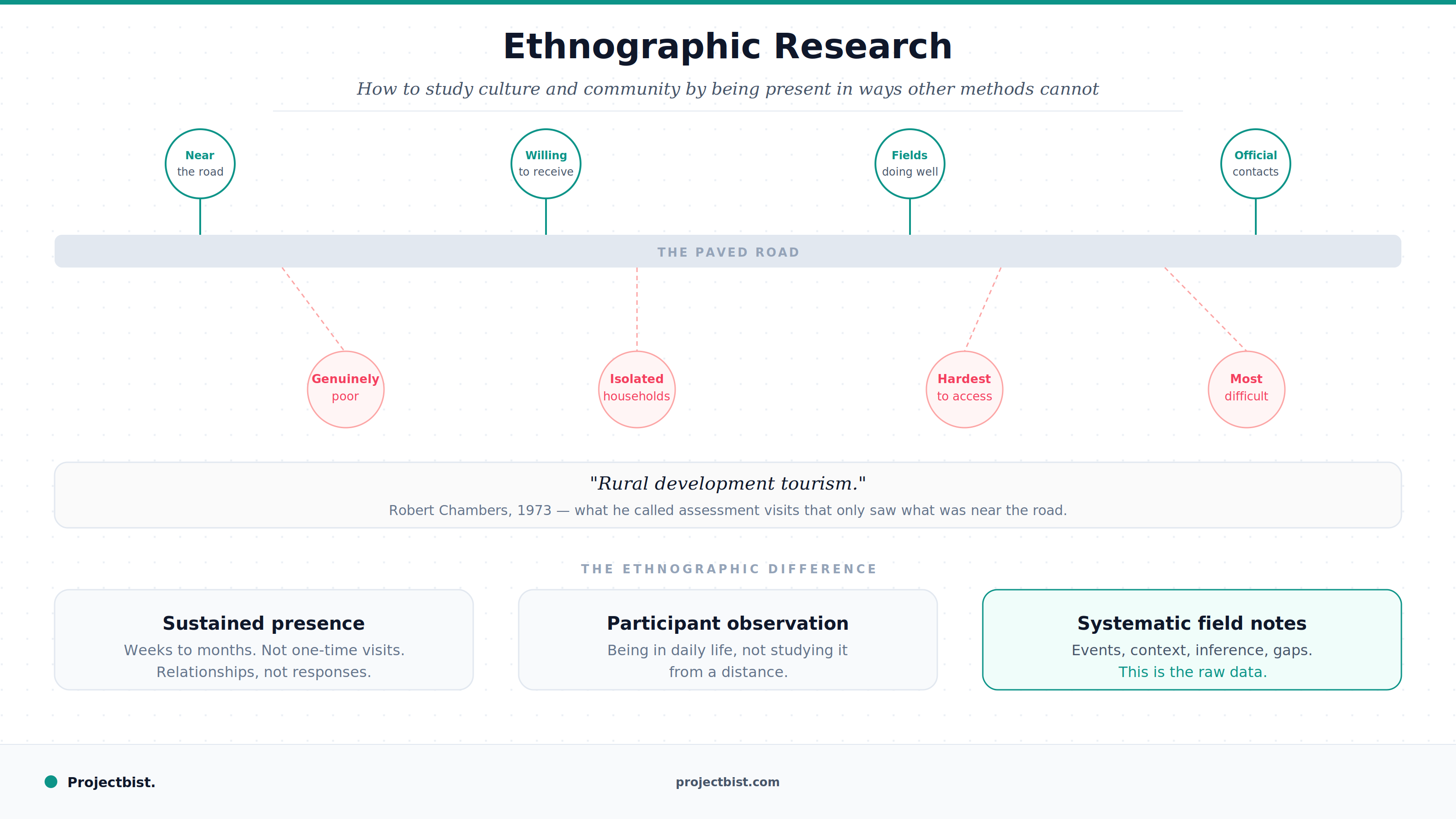
Ethnographic Research: How to Study Culture and Community by Being Present in Ways Other Methods Cannot
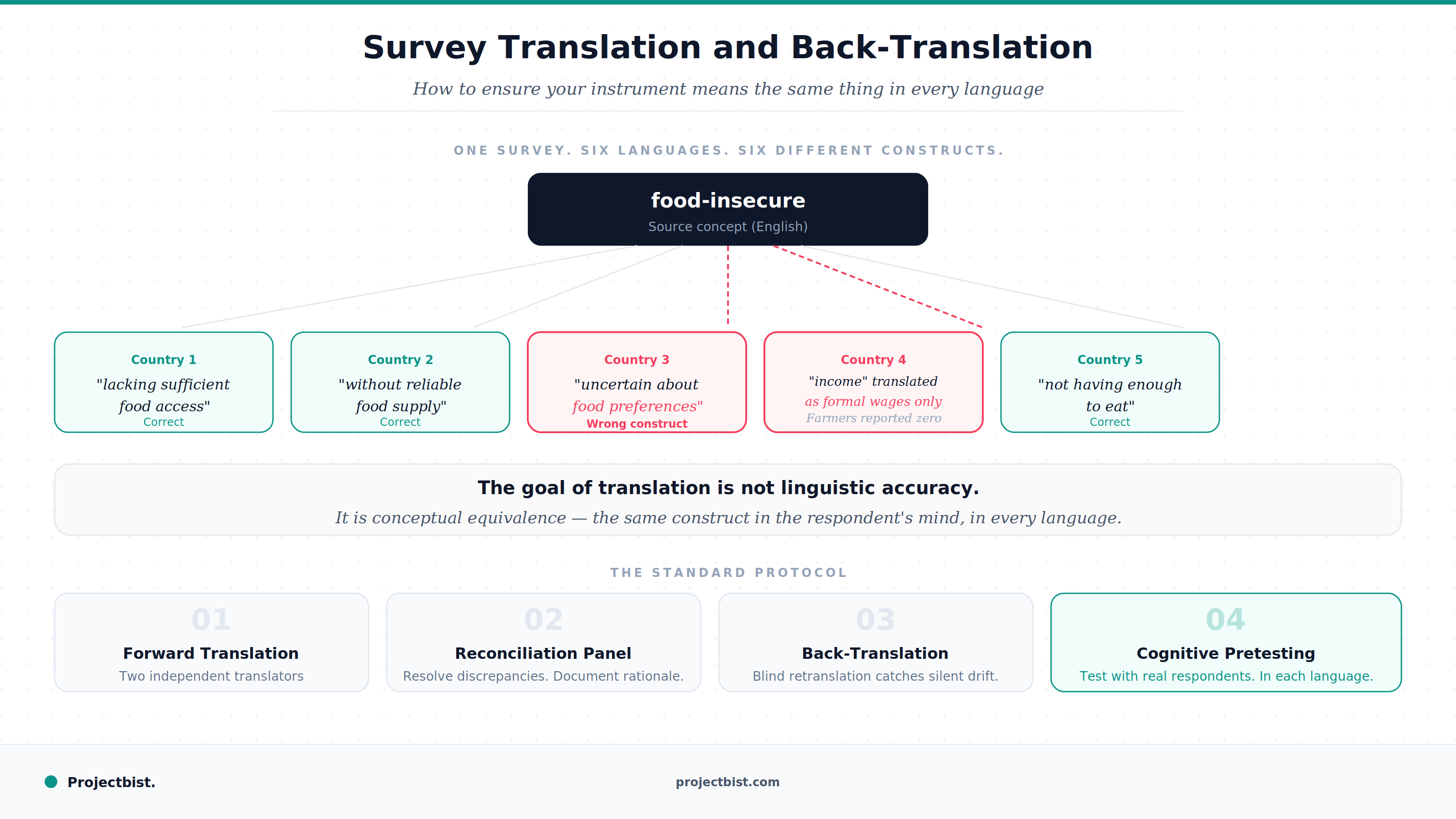
Survey Translation and Back-Translation: How to Ensure Your Instrument Means the Same Thing in Every Language
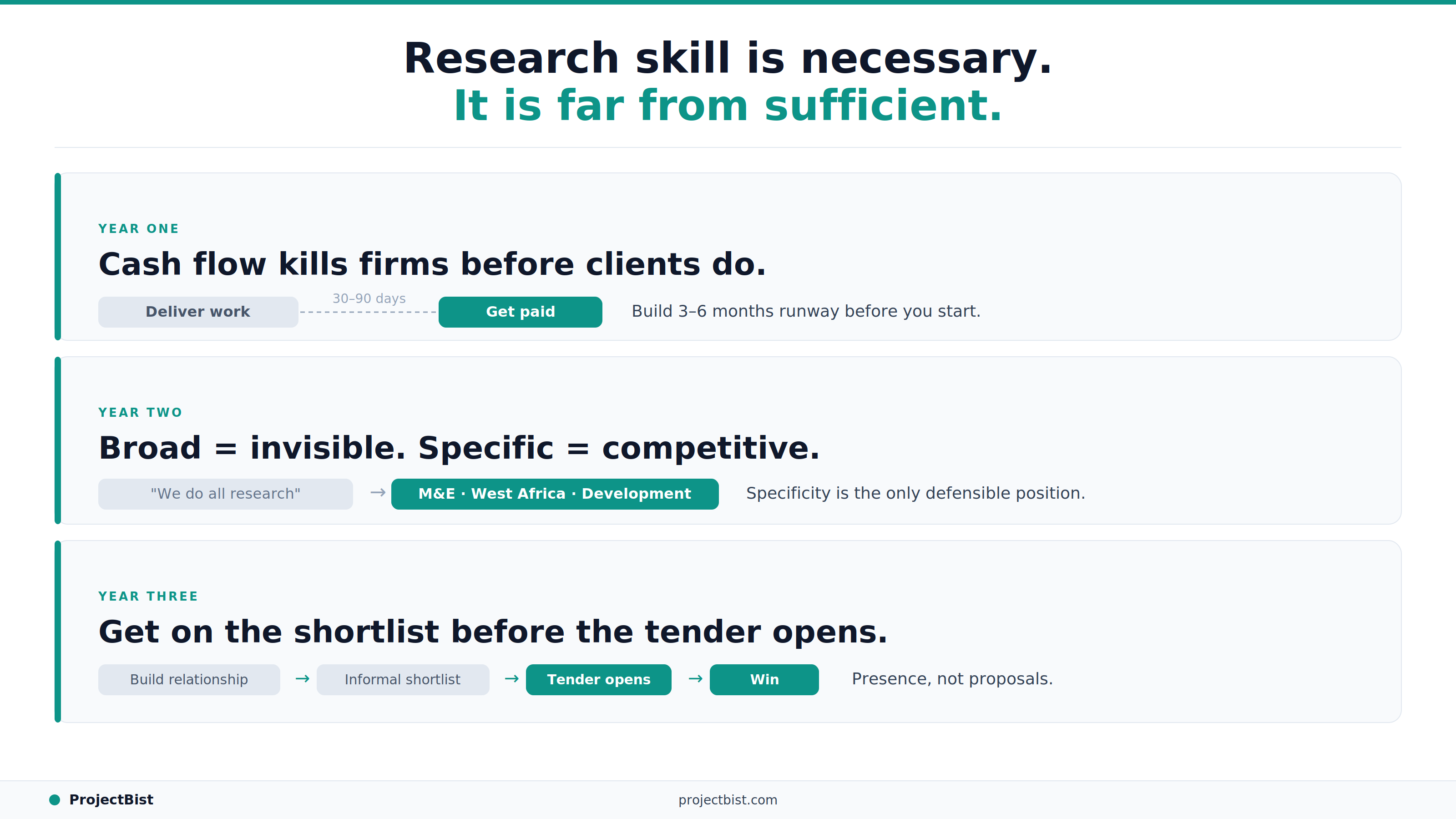
How to Build a Research Firm From Scratch: What the First Three Years Actually Require