P
Loading blog...
Loading blog...
Most research RFP responses are technically competent and strategically forgettable. Here is how to write one that stands out.
Chloe Dubois
Apr 20, 2026•4 min read
Every research professional who has submitted more than a few competitive RFP responses has had this experience: you put real effort into a response, you felt confident about the methodology, and then you either heard nothing or received a vague two-line rejection email.
What went wrong is almost never what you think it was. It is usually one of four things: the response did not clearly address the evaluation criteria, it was written for the wrong audience, it recycled content from a previous bid that did not quite fit, or it was technically strong but gave the evaluators no reason to trust that this specific team could deliver this specific project.
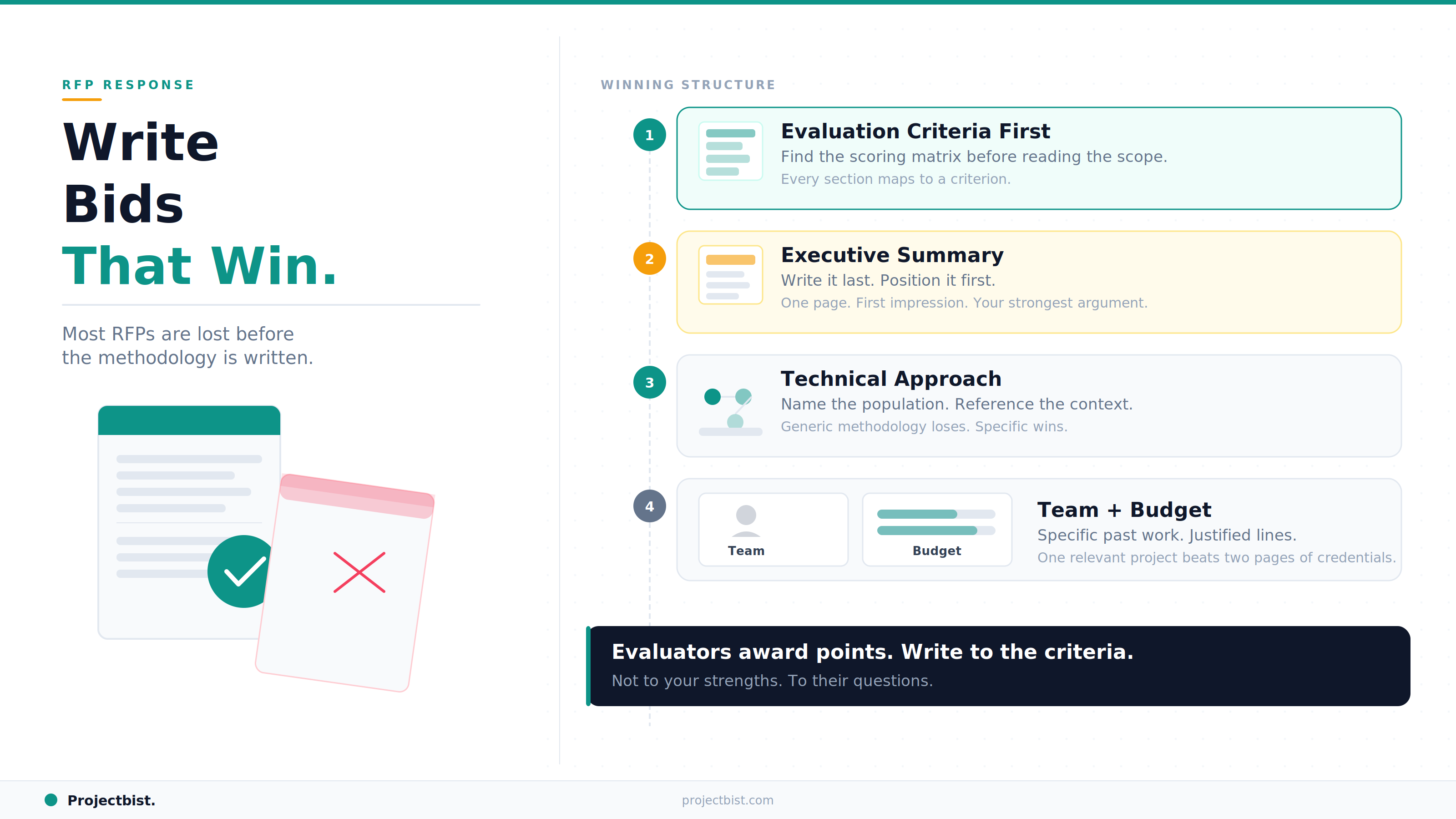
The first thing most researchers do when they receive an RFP is read the scope of work. That is the second thing you should do. The first is to find the evaluation criteria.
Most RFPs include a scoring matrix or a list of evaluation criteria, sometimes explicit, sometimes embedded in the requirements. These criteria tell you exactly what the evaluators will be awarding points for. Technical approach, team qualifications, relevant experience, understanding of the context, value for money, timeline feasibility. Every section of your response should be written in deliberate reference to these criteria.
If there is no explicit scoring matrix, reverse-engineer one from the structure and emphasis of the RFP itself. The sections that get the most space are the ones the evaluators care most about.
The executive summary should be written after everything else is done. It is a distilled version of your most important arguments: why your team understands this problem better than anyone, what approach you will use and why it is right for this context, and what the client will receive at the end.
Keep it to one page maximum. Evaluators reading large numbers of proposals often use the executive summary to form their initial impression before reading the details.
This section carries the most weight in most research RFPs. The methodology you propose must be clearly matched to the specific research question and context in this RFP, not to a generic version of this type of project. Name the population. Reference the geography. Acknowledge the constraints the RFP has described.
A technical approach that could have been written for a different client's brief is one of the most reliable signals to an evaluator that the response was not written with enough care.
For each team member, the relevant information is: what specifically have they done that is relevant to this project? Not their general experience in research. Not their degree. What have they personally done that demonstrates they can deliver this specific type of work, in this type of context?
One paragraph with a specific past project and a clear outcome is more persuasive than two pages of general credentials.
An unjustified lump sum budget raises doubt. An itemized budget with realistic rates and clear justification shows that the team has thought through what the project actually requires. If your budget is higher than you expect competitors to submit, your justification needs to explain why the additional investment is warranted.
The strongest RFP responses make the evaluator's job easier. They answer the questions that were asked, in the order they were asked, with evidence specific enough to be verifiable.
If the opportunity allows for it, confirm receipt. If there is a question-and-answer period, use it to seek clarification on anything genuinely ambiguous. If you are not selected, request a debrief. The feedback from a well-run debrief is often the most specific insight into your proposal's weaknesses that you can get, and it is worth more than any proposal-writing guide.
Newsletter
Personalize your updates! Subscribe to ProjectBist's Newsletter and choose from the following categories.
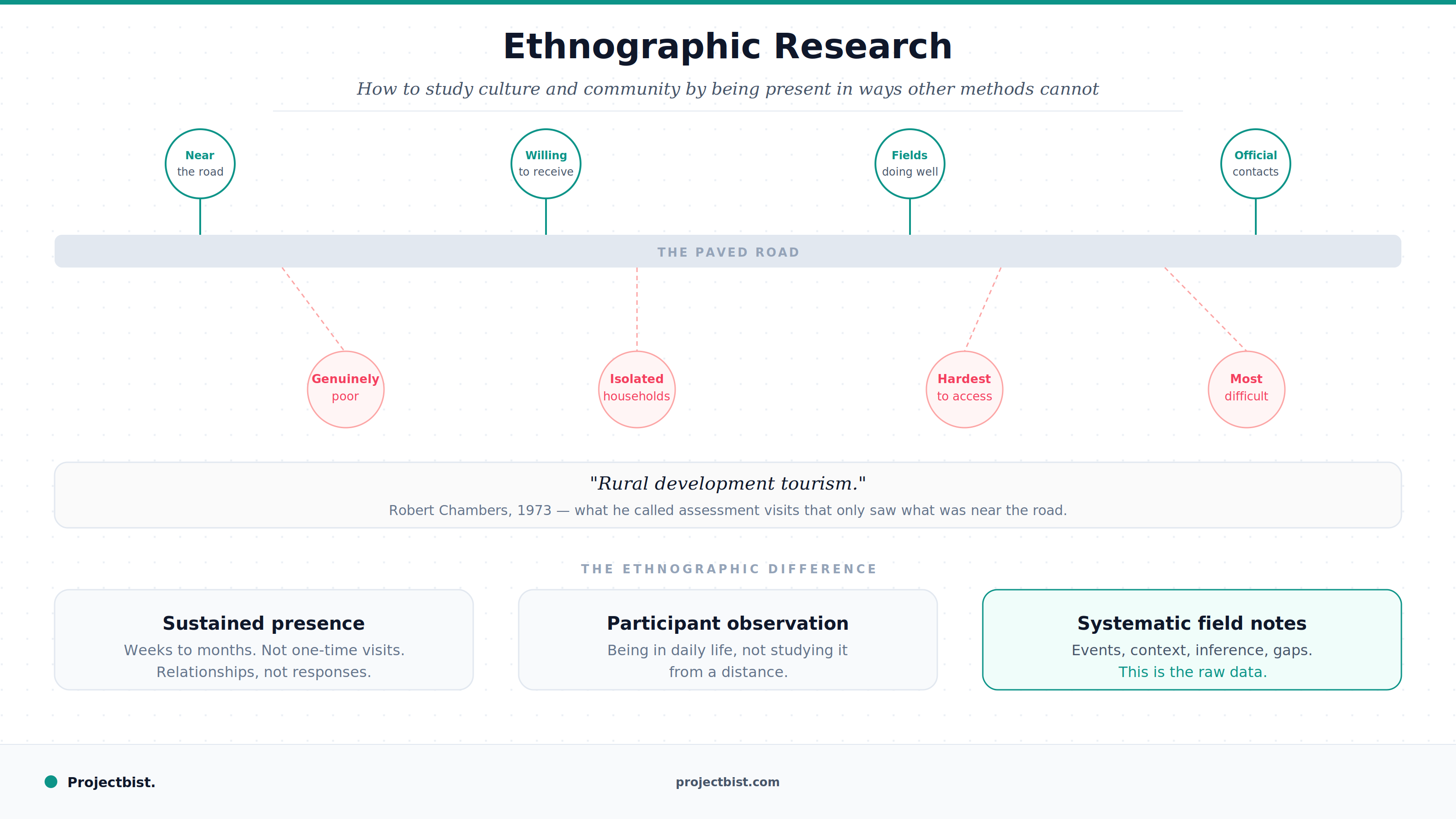
Ethnographic Research: How to Study Culture and Community by Being Present in Ways Other Methods Cannot
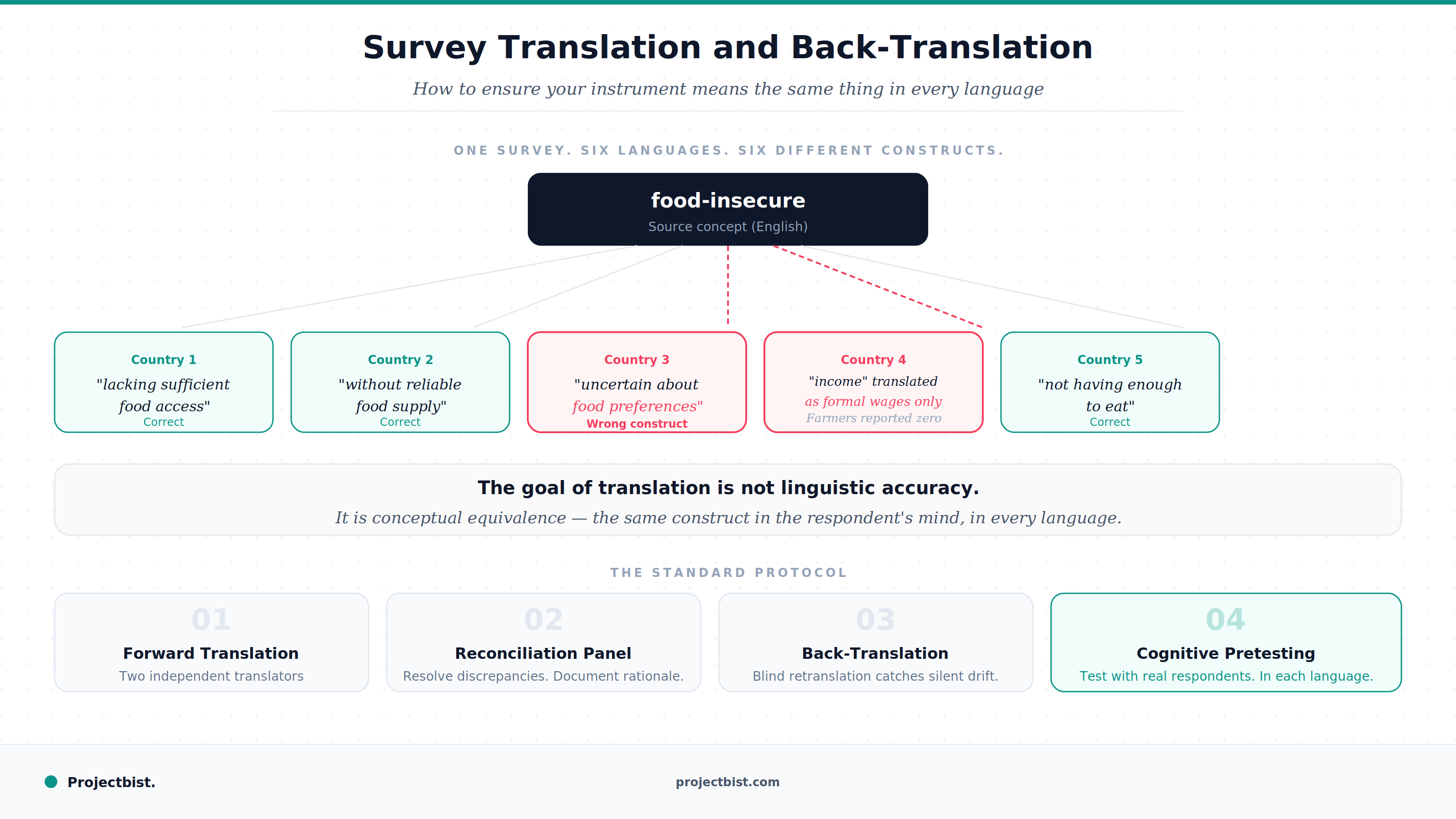
Survey Translation and Back-Translation: How to Ensure Your Instrument Means the Same Thing in Every Language
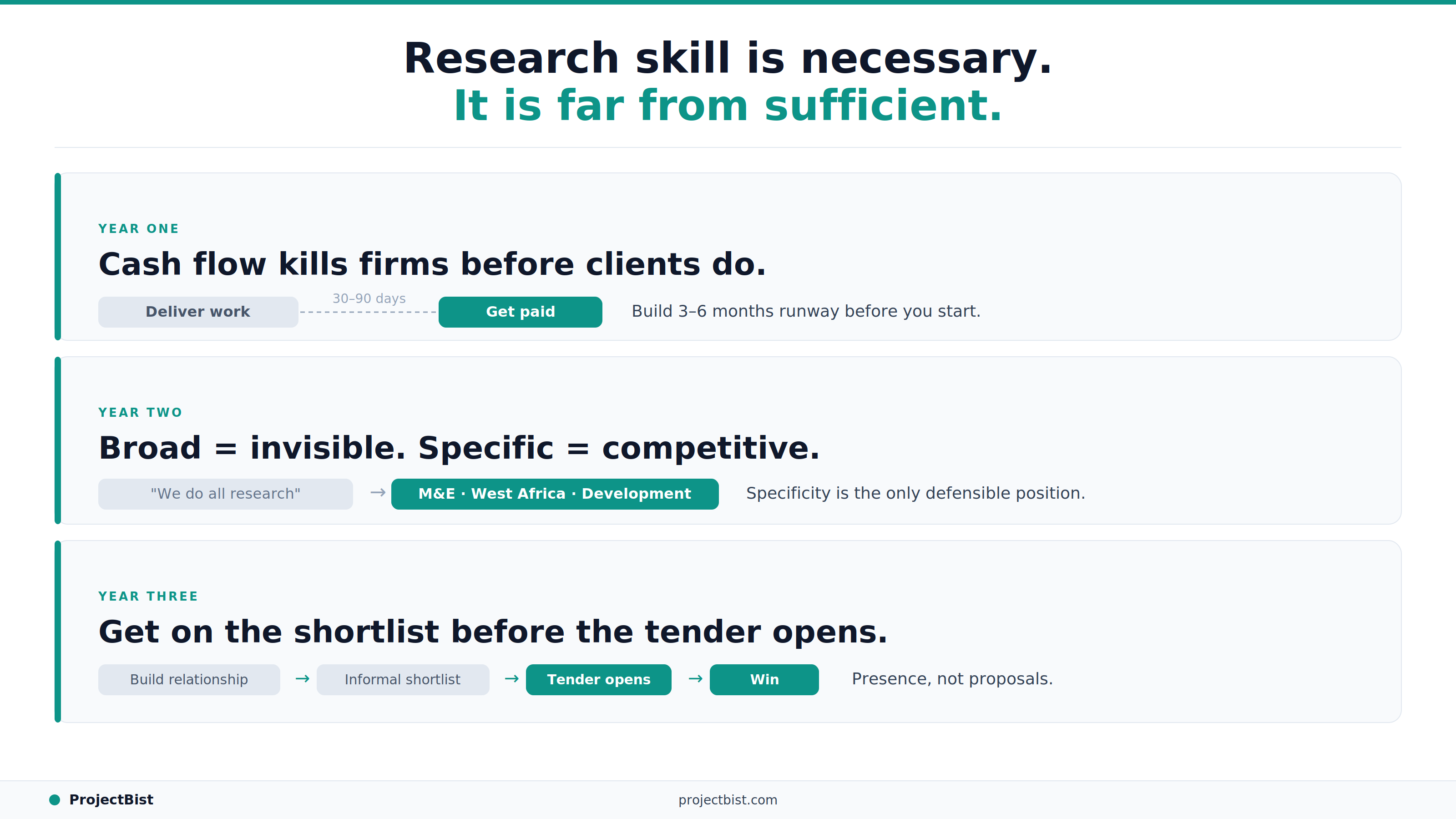
How to Build a Research Firm From Scratch: What the First Three Years Actually Require