P
Loading blog...
Loading blog...
Research fraud is not rare. It is systematic, and it is getting more sophisticated. The good news is the tools to catch it are getting better too.
Samir Haddad
Apr 04, 2026•3 min read
If you have ever run an online survey and had the nagging feeling that some of the responses did not quite feel human, you were probably right.
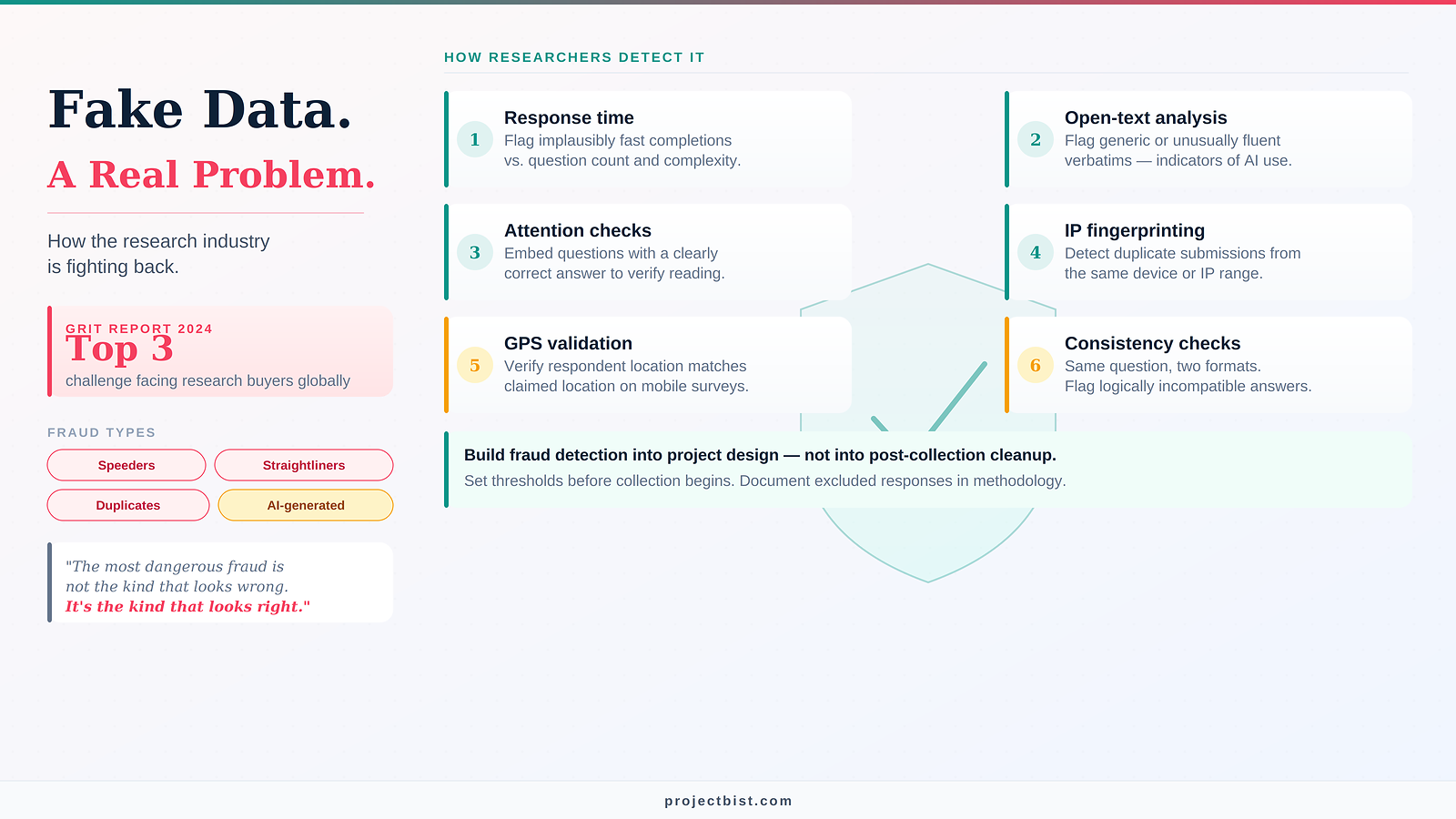
Research fraud is one of the least discussed quality problems in the industry, partly because it is embarrassing to acknowledge and partly because it is difficult to quantify. But the Greenbook GRIT 2024 Report found that data quality concerns are now among the top three challenges facing research buyers globally. And with AI making it trivially easy to generate plausible-looking survey responses at scale, the problem is not getting smaller.
Not all fraudulent data comes from sophisticated operations. Most of it falls into four categories:
The most dangerous research fraud is not the kind that looks obviously wrong. It is the kind that looks exactly right.
The research industry has developed a layered approach to fraud detection, and the most rigorous studies apply multiple checks simultaneously:
Fraud detection should be built into the project design, not added as an afterthought during analysis. That means:
How do I know if my completed dataset already contains fraudulent responses?
Run the checks described in this post against your existing data. Start with response times: flag any completions that fall below the minimum plausible time for your survey length. Then review open-text responses for generic or unusually polished language. Cross-check matrix questions for straightlining. If your panel provider can supply IP and device data, check for duplicate submissions. Any respondents flagged on two or more criteria should be excluded and documented in your methodology.
Do these fraud risks apply to face-to-face and phone surveys, or only to online surveys?
Face-to-face and phone surveys carry different fraud risks. The primary concern is interviewer fabrication, where an interviewer fills in responses without completing the actual interview, rather than respondent fraud. Back-checks, where a sample of respondents are re-contacted to verify the interview took place, are the standard control. GPS-logged field submissions and audio recording of a sample of interviews also serve this purpose. The risk is different in form but equally real.
Should excluded responses be reported in the final research report?
Yes, always. Any responses excluded for quality reasons should be reported in the methodology section with the exclusion criteria documented clearly. This includes the number excluded, the criteria applied, and the stage at which exclusions were made. This transparency protects the integrity of the findings and allows clients and reviewers to assess the impact of exclusions on the final sample.
For face-to-face and phone research, fraud takes different forms but the same principle applies: respondents or interviewers fabricating data rather than collecting it. This is why interviewer monitoring, back-checks (re-contacting a sample of respondents to verify the interview took place), and GPS-logged field submissions are standard quality control practice in professional fieldwork operations. Platforms like ProjectBist support this through verified researcher profiles where credentials, past project experience, and client ratings are documented, reducing the risk of engaging field teams without a traceable quality track record.
Sources: Greenbook GRIT Report 2024; Qualtrics Data Quality Best Practices 2025; ESOMAR Quality in Research Guidelines
Newsletter
Personalize your updates! Subscribe to ProjectBist's Newsletter and choose from the following categories.
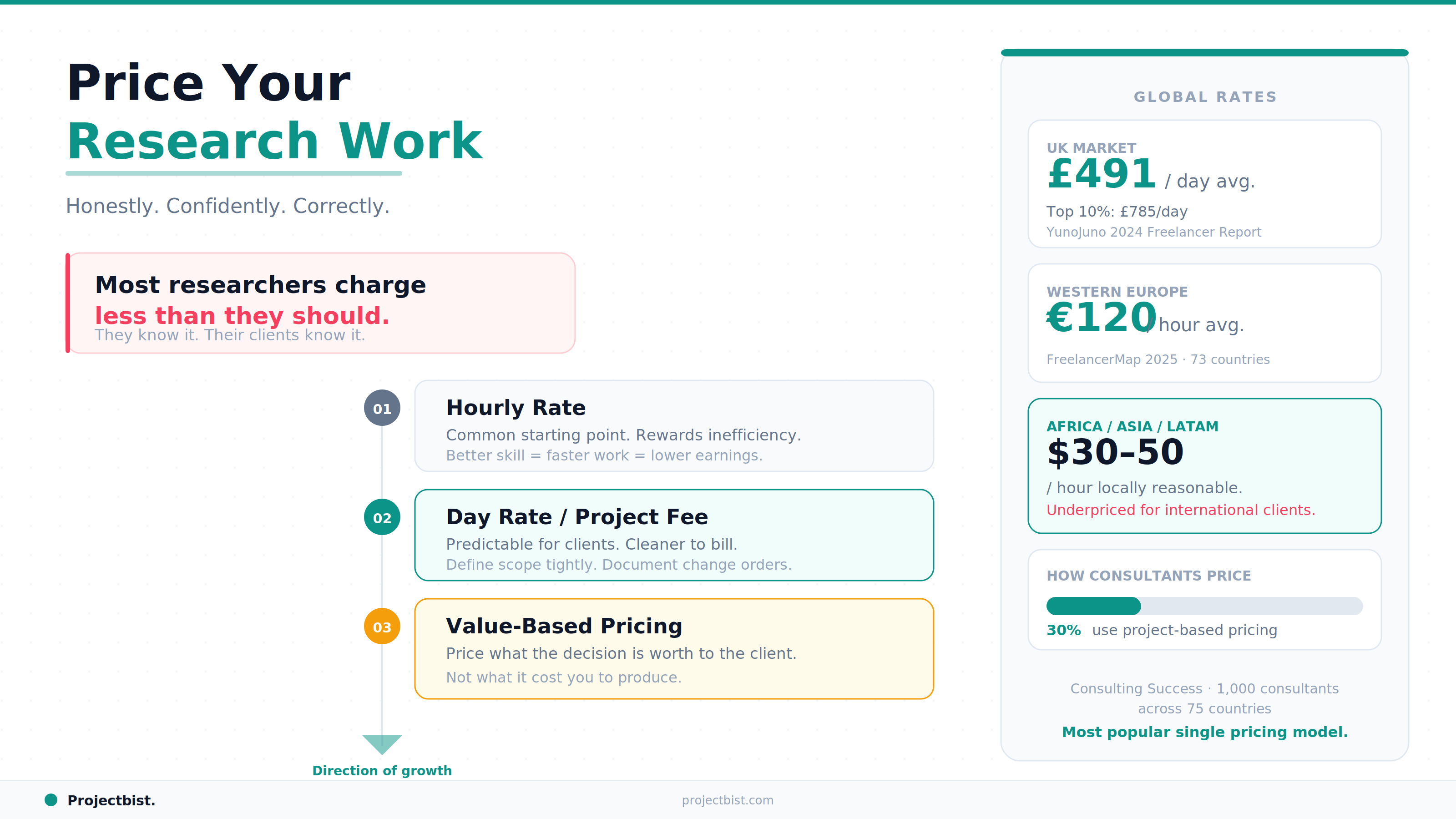
How to Price Your Research Consulting Services: The Honest Guide for Independent Researchers Globally
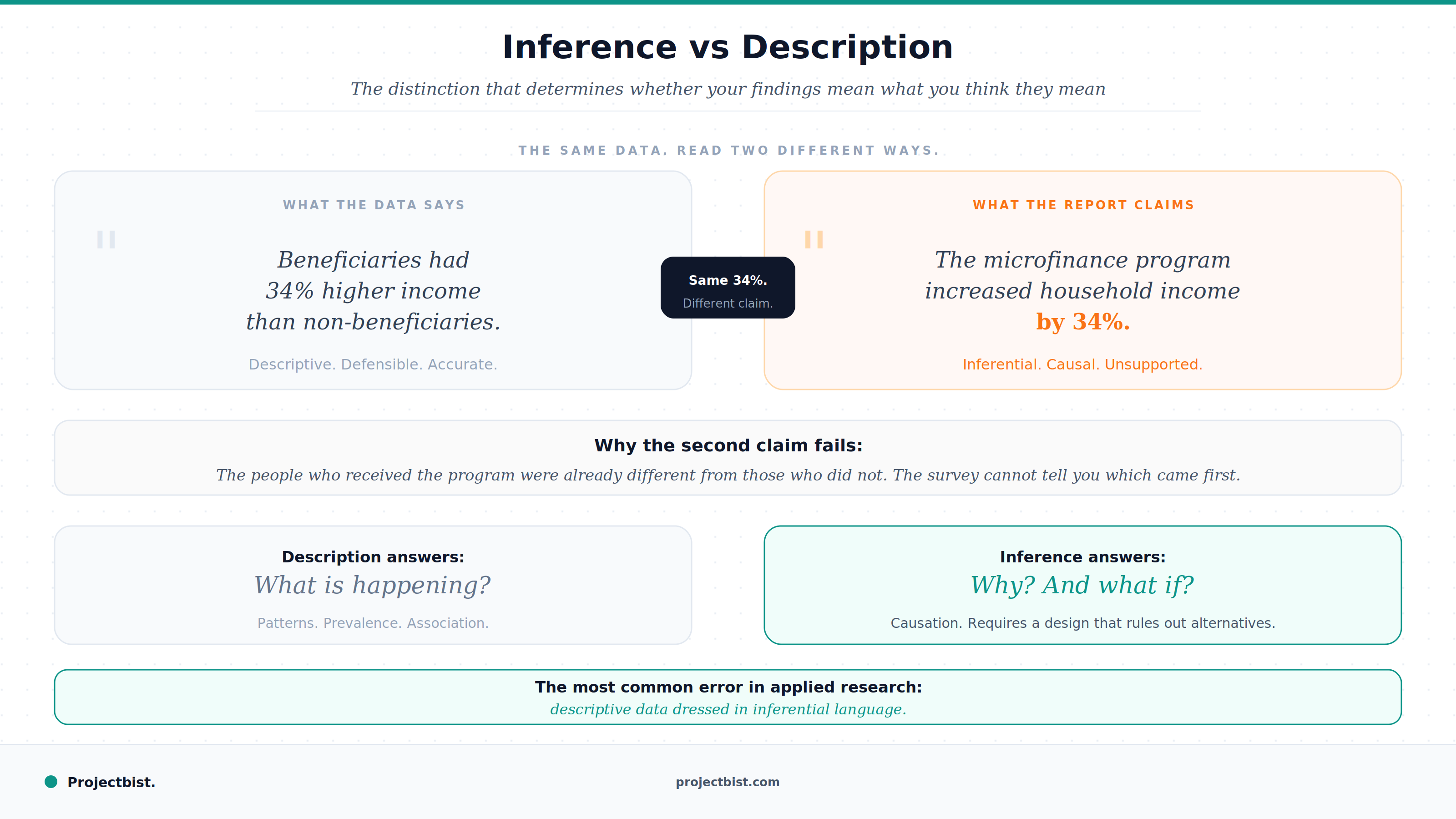
Inference vs Description: The Distinction That Quietly Determines Whether Your Research Findings Mean What You Think They Mean

Time Use Surveys: The Research Method That Makes Invisible Work Visible