P
Loading blog...
Loading blog...
Memory is unreliable. Recall surveys ask people to remember behaviors they forgot hours ago. Diary studies catch the behavior when it happens.
Maya Chen
May 23, 2026•4 min read
Ask someone how often they check their phone during dinner. They will tell you occasionally, maybe twice. Their phone's screen time data tells a different story.
Ask a patient how they manage their medication routine. They will describe an organized, consistent process. An end-of-week diary entry written in the moment tells you about the Tuesday they forgot, the Thursday they doubled up, and the decision they made on Friday that they have never told their doctor.
The gap between recalled behavior and actual behavior is one of the most persistent problems in survey research. Diary studies are designed specifically to close it.
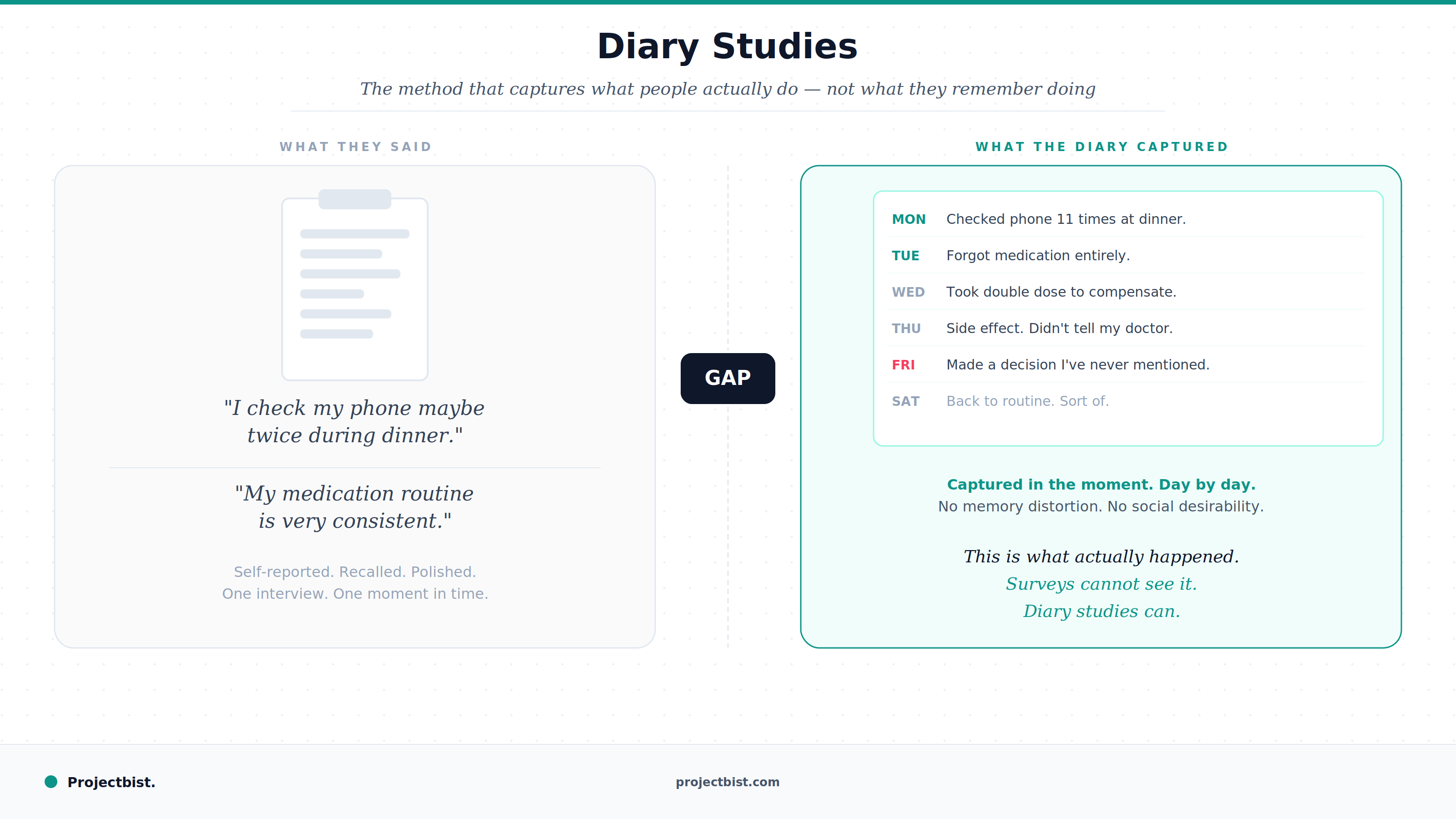
A diary study asks participants to record their experiences, behaviors, thoughts, or decisions at regular intervals, typically daily or following specific trigger events, over a defined study period. Unlike retrospective interviews or surveys that ask people to recall past behavior, diary studies capture experience close to the moment it occurs.
Diary studies appear across research disciplines under different names: experience sampling, ecological momentary assessment (particularly in clinical psychology and health research), and event-contingent recording. The core principle is the same: capture in the moment rather than rely on memory.
Diary entries can be time-contingent (logged at a fixed time each day), event-contingent (logged whenever a specific event occurs, like making a food purchase), or signal-contingent (logged when an app or message prompts the participant). The choice depends on the behavior being studied. For behaviors that happen at predictable times, time-contingent is simpler. For infrequent or unpredictable behaviors, event-contingent is more accurate.
The more effortful the diary entry, the more participants drop out or provide low-quality responses by the end of the study. Diary prompts should take under two minutes to complete. Mobile-first entry (using WhatsApp, a simple app, or SMS) works better than asking participants to log on a desktop at the end of the day.
Structured diary entries (Likert scales, multiple choice) are easier to analyze quantitatively but miss unexpected context. Unstructured entries (open text) produce richer data but require more analytical effort. A hybrid approach, with two or three structured questions plus one open-text field, usually produces the best balance for applied research.
Participant dropout is the primary methodological risk in diary studies, especially those lasting more than one week. Plan incentive structures that reward completion at milestone points, not just at the end. Daily check-in messages from the research team significantly reduce dropout rates.
The analytical richness of diary data comes from the combination of longitudinal pattern analysis (how does behavior change across the study period?) and context analysis (what conditions correlate with specific behaviors or decisions?). Quantitative diary data allows you to calculate within-person variability, which is analytically impossible with single-point surveys.
For qualitative diary data, analysis follows the same logic as thematic analysis of interview transcripts, with the additional dimension that you can track how themes emerge, change, or disappear over the participant's diary period.
Newsletter
Personalize your updates! Subscribe to ProjectBist's Newsletter and choose from the following categories.
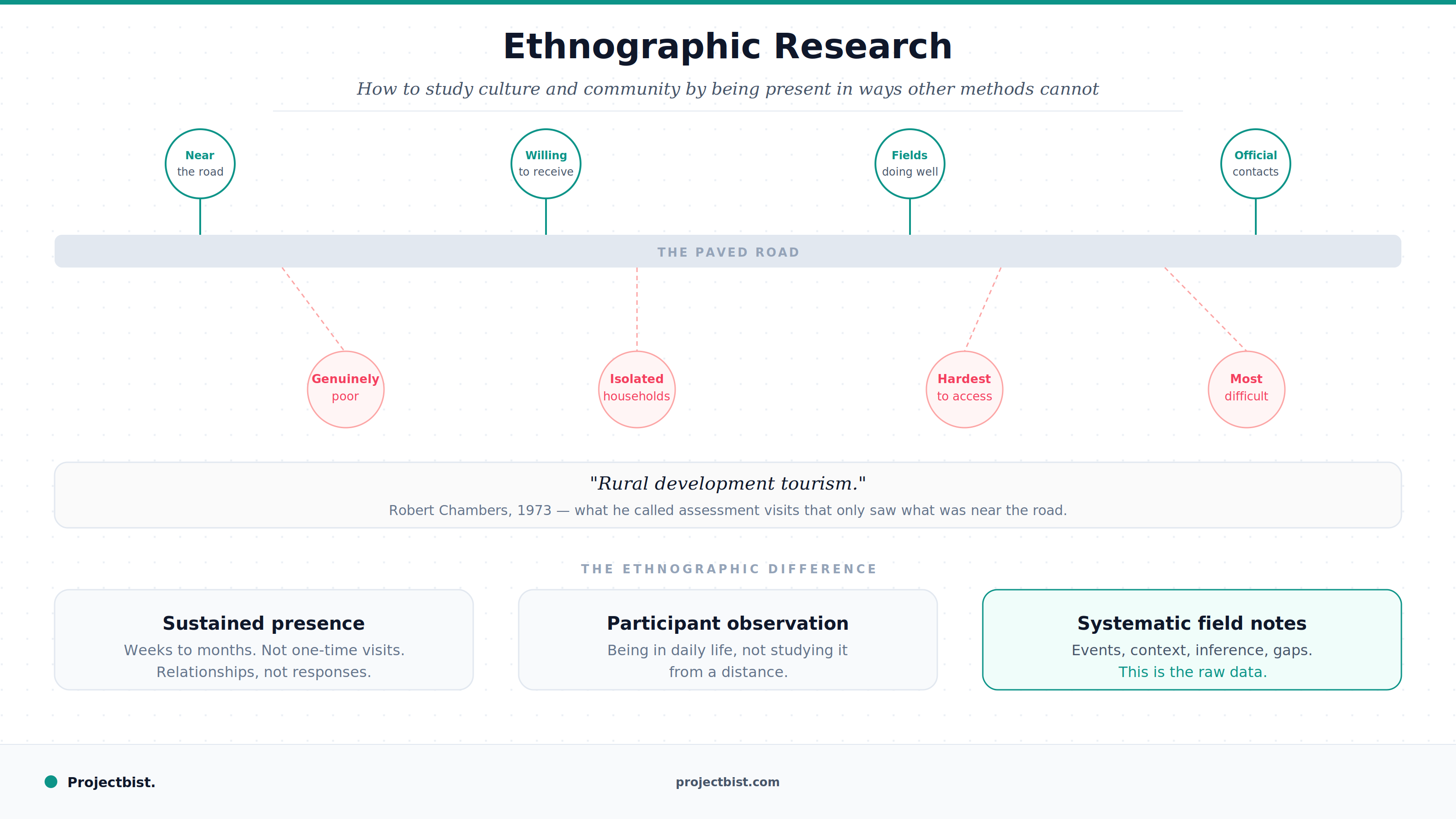
Ethnographic Research: How to Study Culture and Community by Being Present in Ways Other Methods Cannot
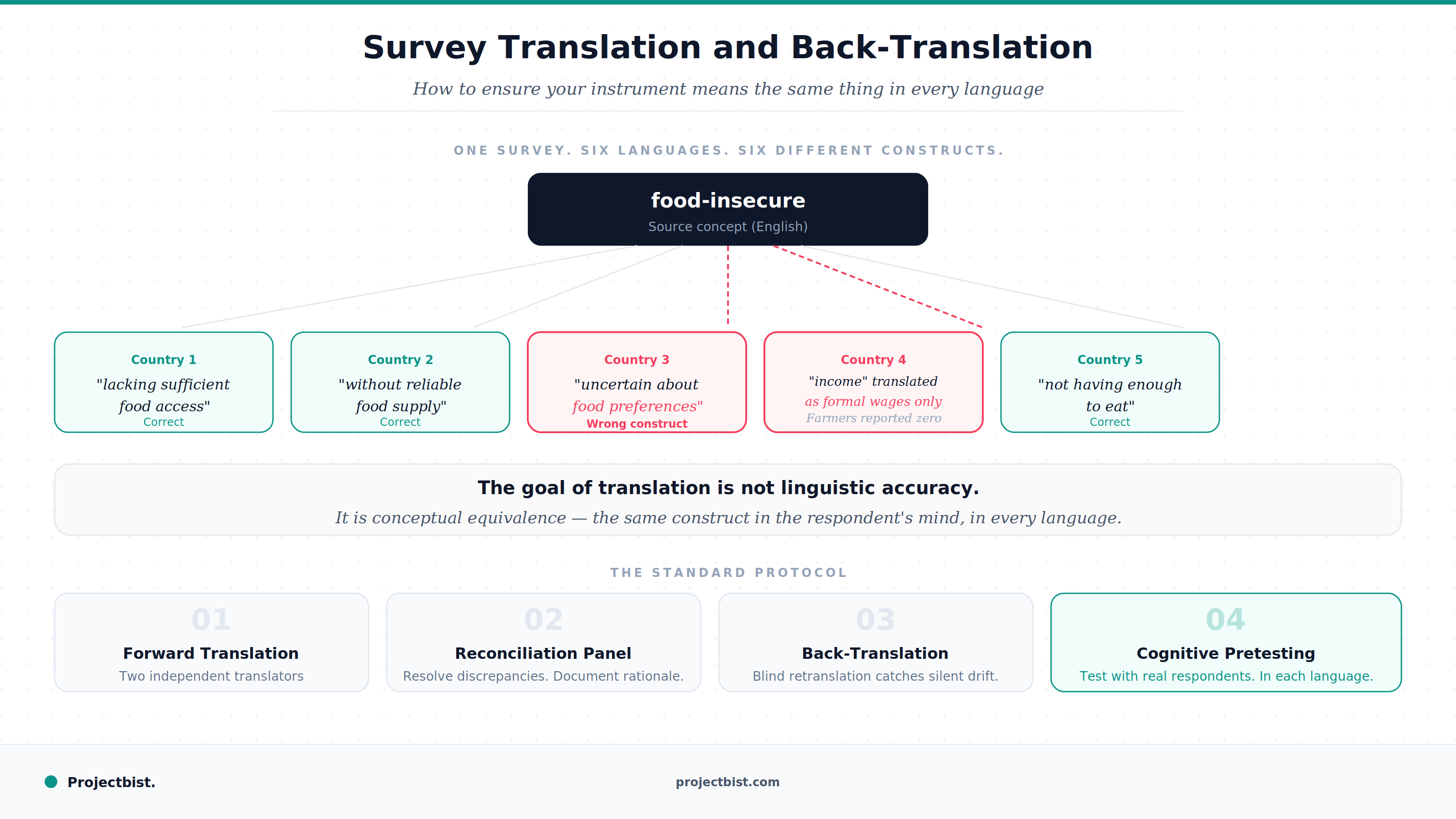
Survey Translation and Back-Translation: How to Ensure Your Instrument Means the Same Thing in Every Language
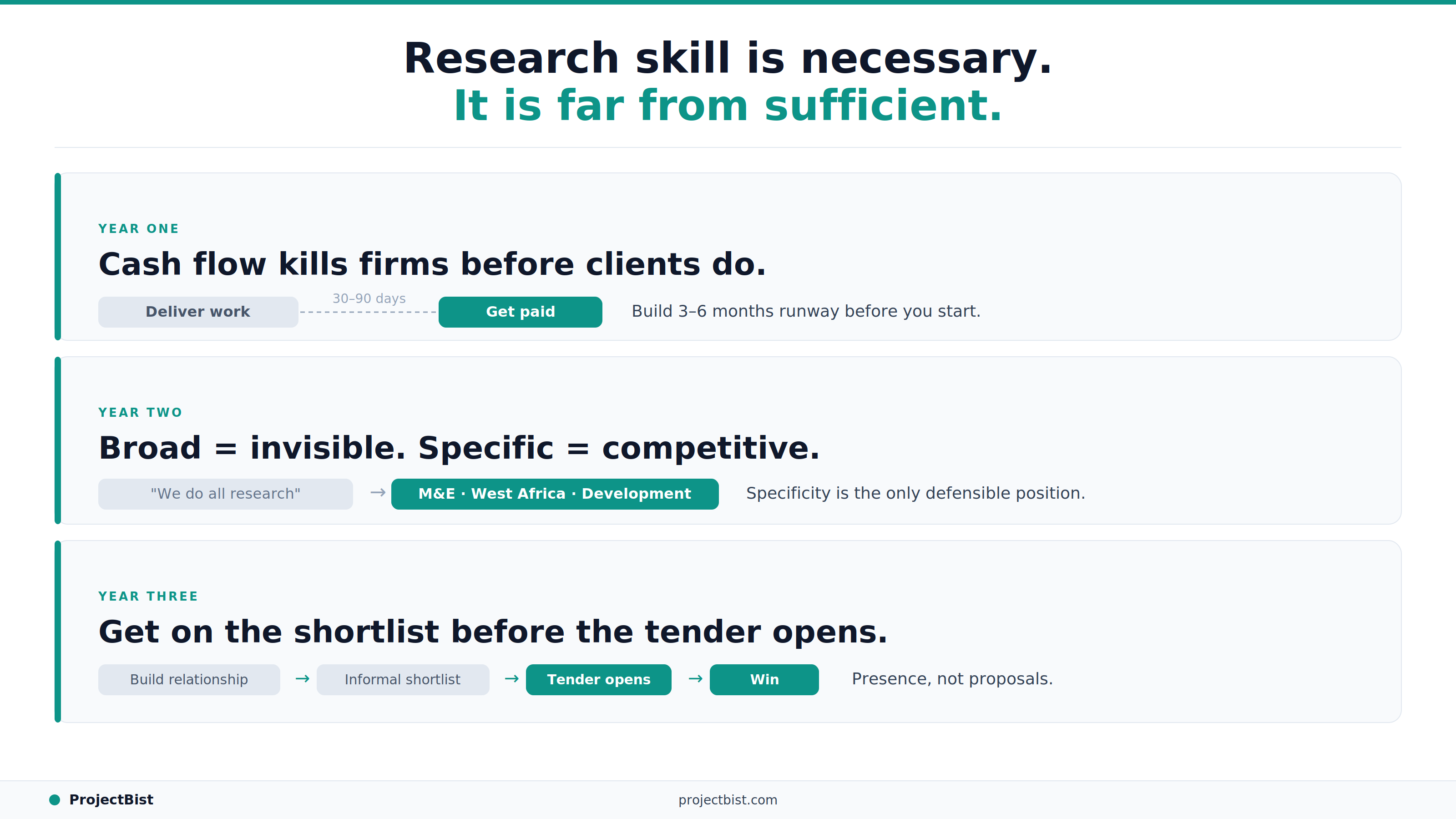
How to Build a Research Firm From Scratch: What the First Three Years Actually Require