P
Loading blog...
Loading blog...
A literature review is not a Google search. Here is how to do it in a way that strengthens your study rather than just filling pages.
Chloe Dubois
Apr 02, 2026•4 min read
Most literature reviews have the same problem. They are long lists of what other people have said, organized by topic, with thin synthesis and almost no original thinking. They add length to a report without adding value.
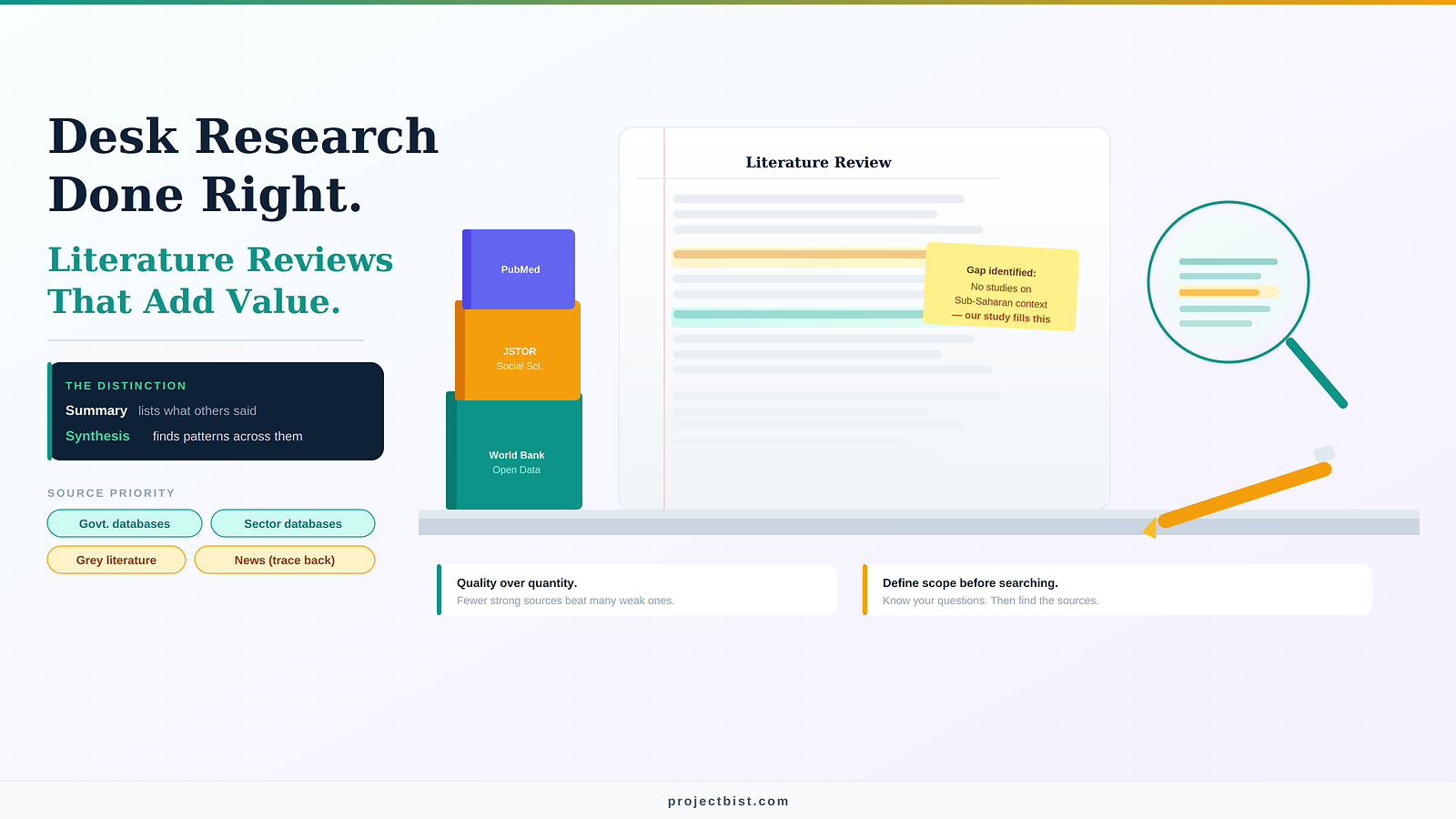
A genuinely useful desk review does something different. It positions your primary research within the existing knowledge landscape, identifies what is already well-established, flags what is contested, and makes clear exactly what gap your study is filling. That is a different exercise entirely from summarizing search results.
The most common desk research mistake is starting with a search and then figuring out what you are looking for as you go. This produces a review that is shaped by what you happened to find rather than by what you need to know.
Before you open a single database or search engine, write down three to five specific questions that your desk review needs to answer. These should be directly linked to your primary research objectives. Every source you review should be evaluated against whether it helps answer one of those questions.
Search order matters. Start with the most authoritative sources first:
The quality of a literature review is determined by the quality of the sources it draws from, not the number of them.
Not all sources are equally reliable. Apply these checks before including anything in your review:
A summary says: Author A found X. Author B found Y. Author C found Z.
A synthesis says: The evidence consistently shows that X, though there is debate about whether Y applies in the context of Z, because of the different methodological approaches used in the studies by A versus those by C.
Synthesis requires you to think across sources, not just report from them individually. It means identifying patterns, contradictions, and gaps. It means having an argument, not just a list.
Every claim in a literature review that comes from an external source needs to be attributed. This is not just about ethics. It is about the integrity of your research. Findings presented without attribution cannot be verified, which means they cannot be trusted.
Use a consistent citation style throughout the document. APA is most common in social science research. Chicago and Harvard styles are also widely used depending on the context. Whatever you use, apply it consistently.
A well-conducted desk review does not just prepare you for primary data collection. It makes your primary research sharper: you know what you do not need to measure because it is already established, and you know exactly what gap you are filling. That clarity shows in the quality of everything that follows.
Find verified research professionals on ProjectBist across all sectors.
Browse Research Professionalsarrow_forwardNewsletter
Personalize your updates! Subscribe to ProjectBist's Newsletter and choose from the following categories.
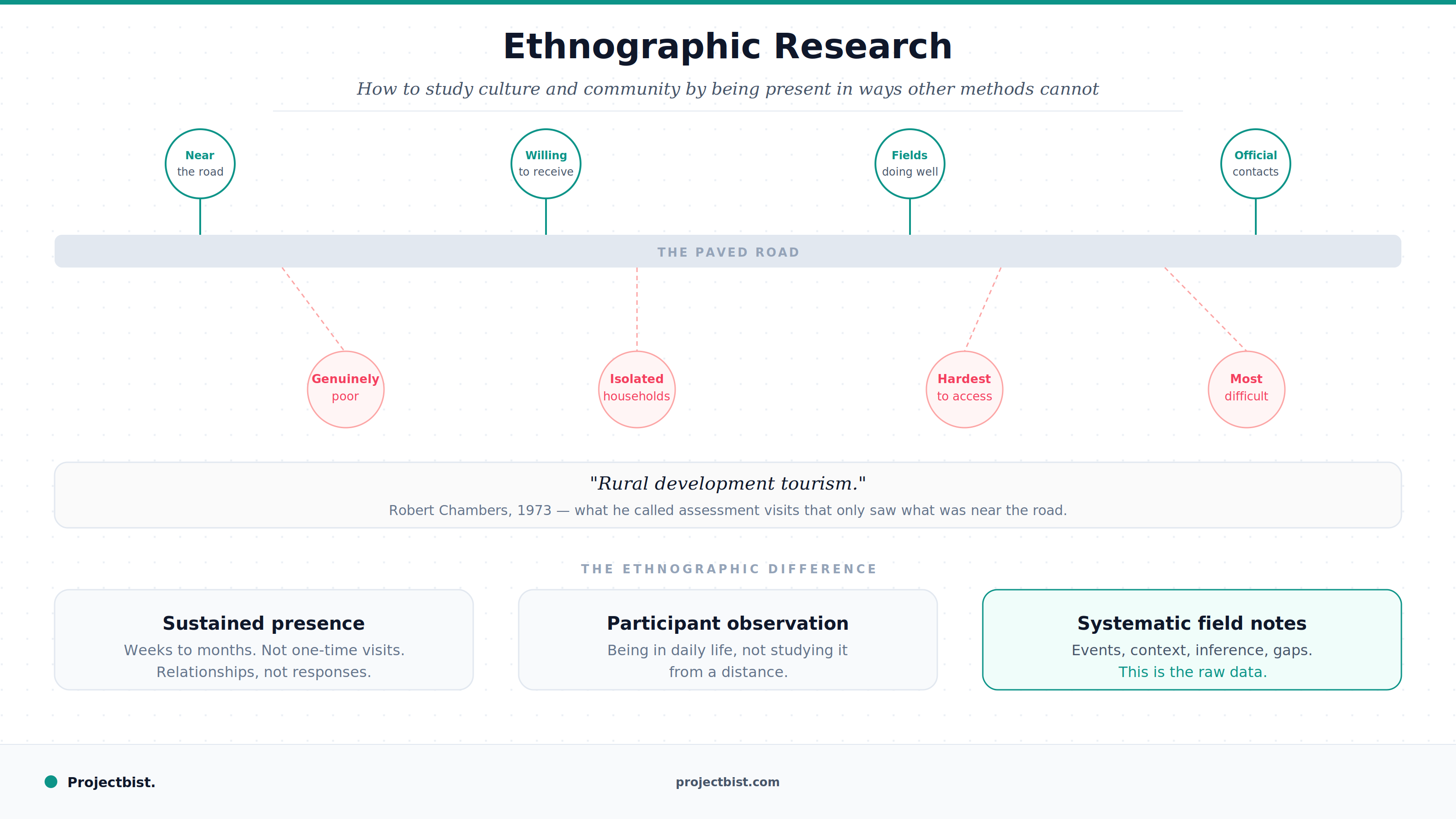
Ethnographic Research: How to Study Culture and Community by Being Present in Ways Other Methods Cannot
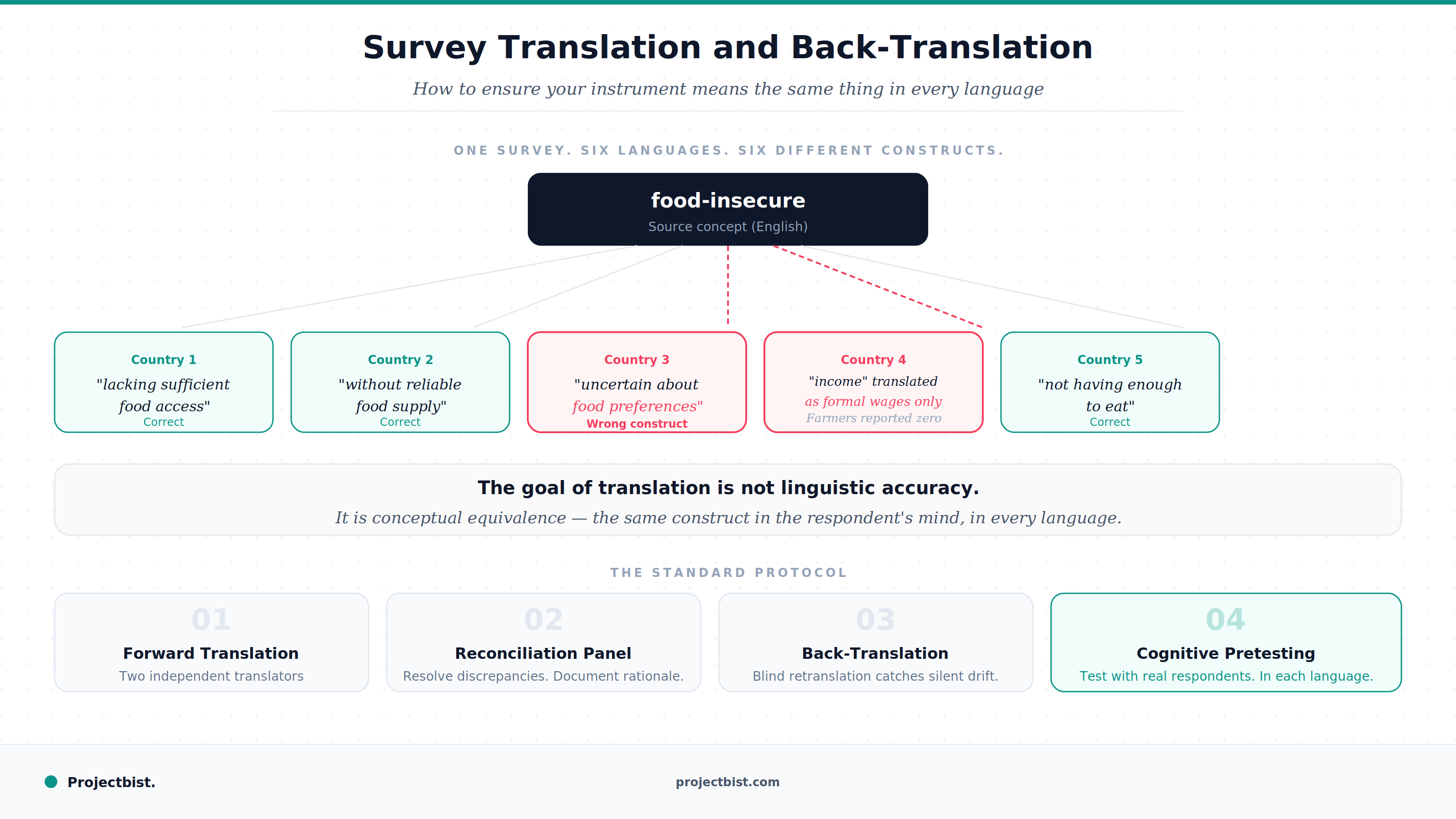
Survey Translation and Back-Translation: How to Ensure Your Instrument Means the Same Thing in Every Language
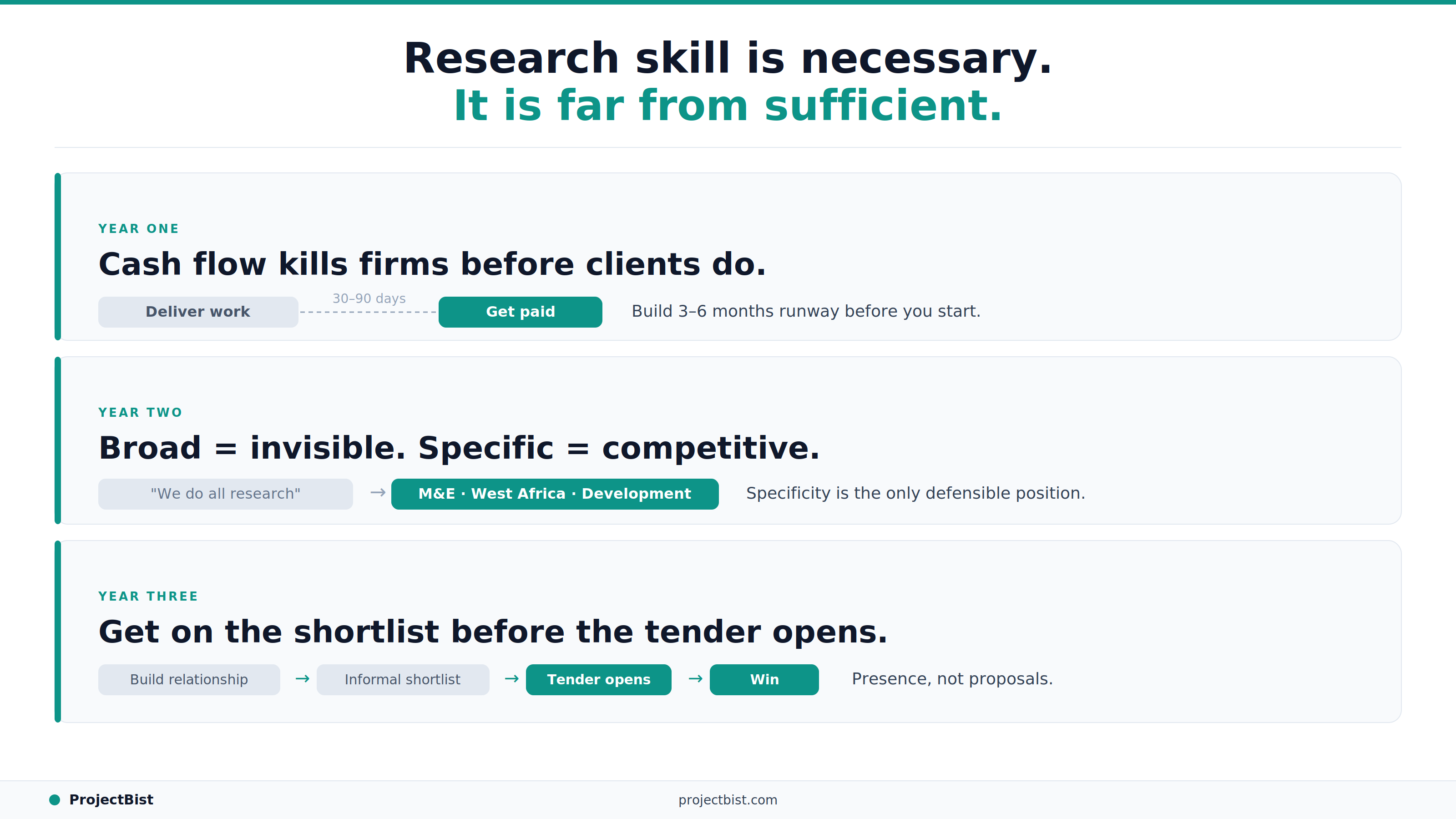
How to Build a Research Firm From Scratch: What the First Three Years Actually Require