P
Loading blog...
Loading blog...
Both methods are valid. Choosing the wrong one for your question is where most research goes wrong.
Priya Nair
Mar 25, 2026•3 min read
A client comes to you with a problem. Sales of a product dropped sharply in one region over the last quarter. They want to understand what happened. You have two researchers on your team: one proposes a 500-person survey, the other proposes 15 in-depth interviews.
Both methods are legitimate. Both researchers are competent. But only one of them is answering the right question. The issue is knowing which one.
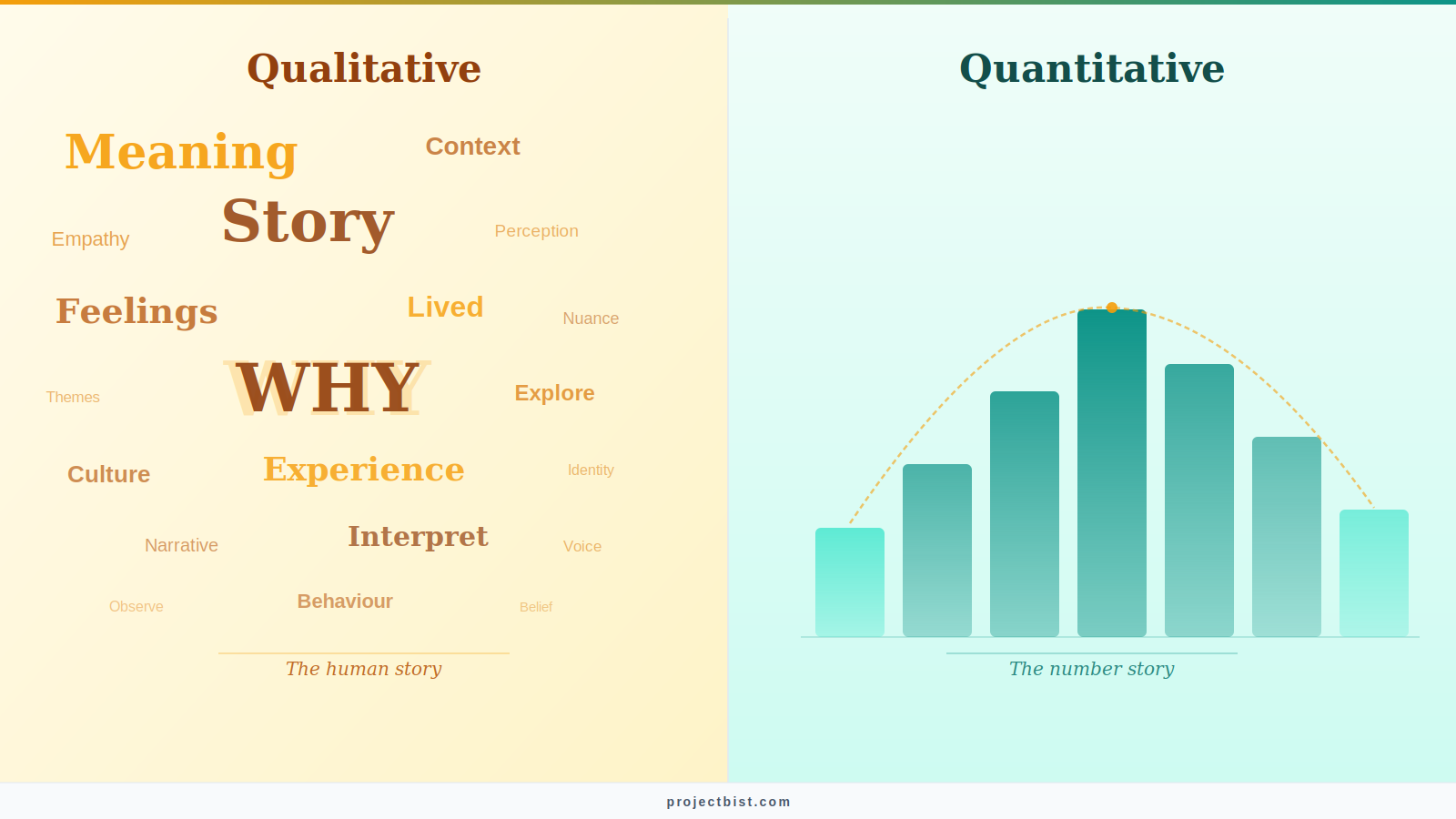
Quantitative research works with numbers. It measures things: how many, how often, how much. It is used to test hypotheses, identify statistical patterns, and produce findings that can be generalized to a larger population. Surveys, experiments, and structured data collection are its tools.
Qualitative research works with meaning. It explores why and how: motivations, perceptions, experiences, and the context behind behaviour. Interviews, focus groups, and ethnographic observation are its primary methods.
Quantitative research can tell you that 40% of customers stopped buying. Qualitative research tells you why they stopped.
The fastest way to decide is to look carefully at your research question.
Examples: How many households in this city own a smartphone? What percentage of customers would switch to a competitor if the price increased by 10%? How often do women aged 25 to 40 visit a health facility per year?
Examples: Why are mothers in this community reluctant to bring children to the health facility? How do small business owners decide which bank to use? What does job security mean to workers in the informal sector?
Many strong research projects use both. A quantitative survey tells you the scale of a problem. A qualitative study tells you what is driving it. Using both gives you findings that are both statistically reliable and contextually meaningful.
For the client whose product sales dropped in one region: you probably need both. A short quantitative analysis of sales data to confirm the pattern and identify which customer segments are affected. Then qualitative interviews with some of those customers to understand what changed for them.
The researcher who proposes both, clearly and with a rationale for each, is the one who understands the problem. That is the proposal that gets accepted.
ProjectBist connects you with clients who need exactly what you do.
Browse Open Projectsarrow_forwardNewsletter
Personalize your updates! Subscribe to ProjectBist's Newsletter and choose from the following categories.
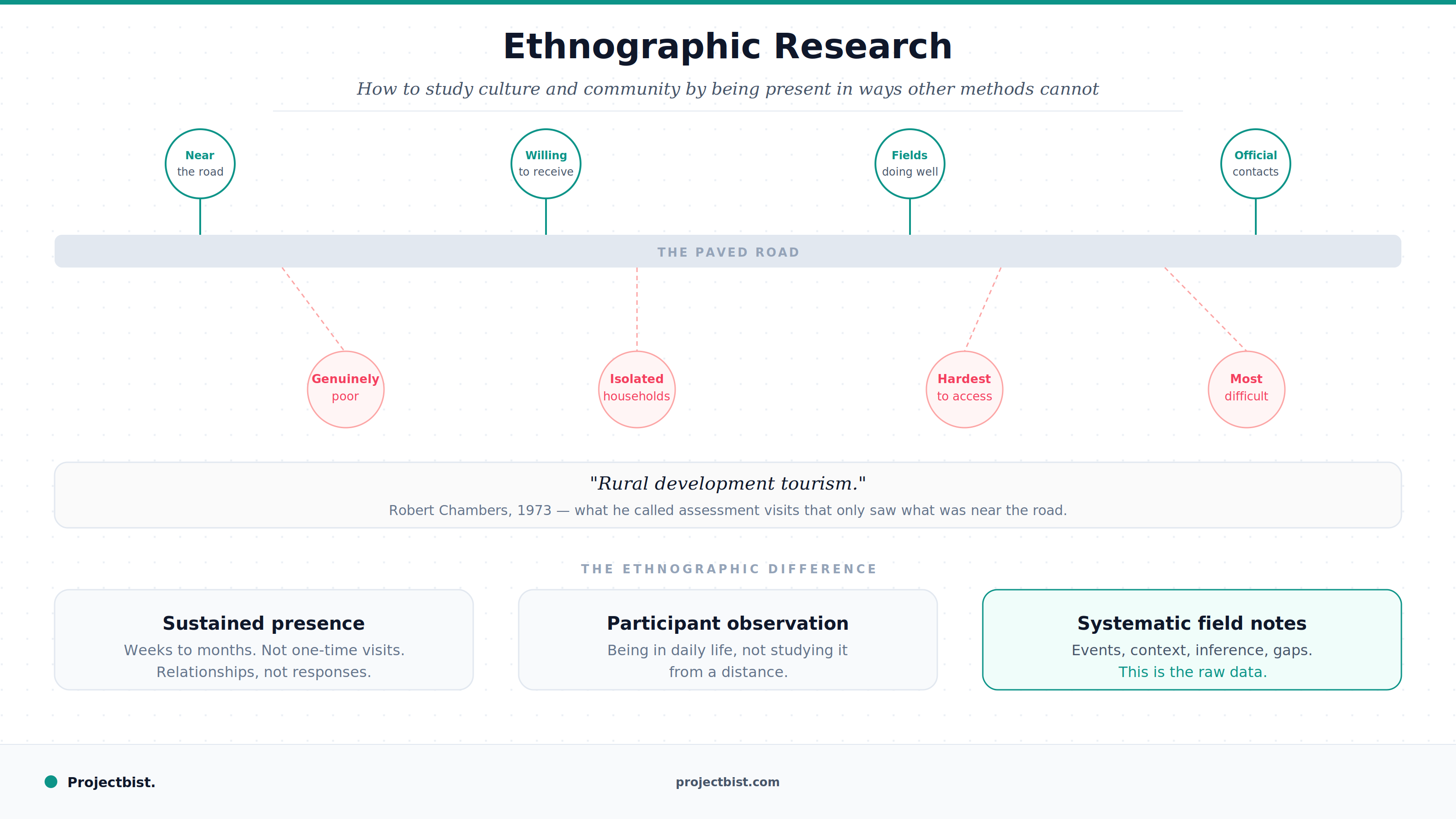
Ethnographic Research: How to Study Culture and Community by Being Present in Ways Other Methods Cannot
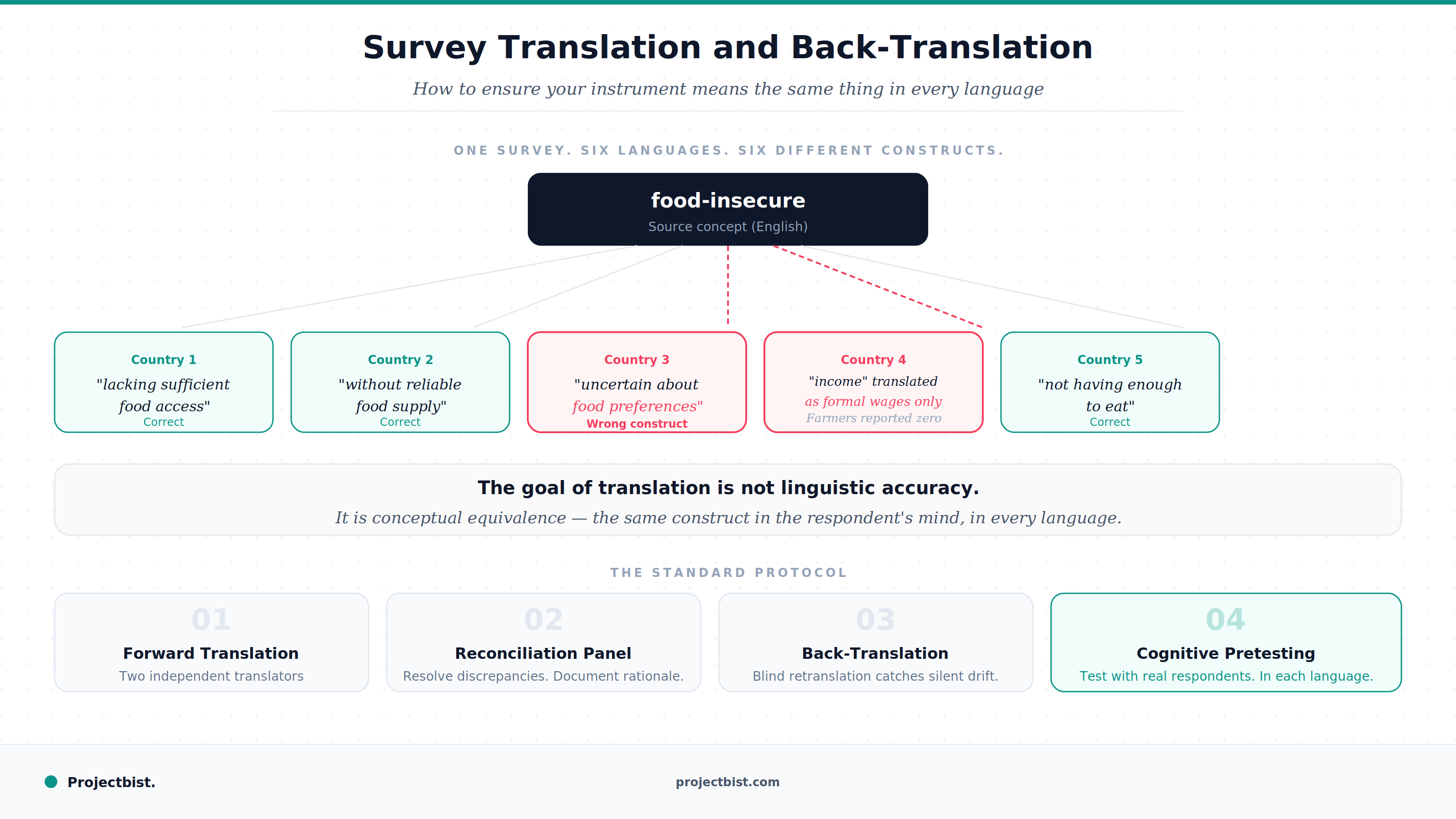
Survey Translation and Back-Translation: How to Ensure Your Instrument Means the Same Thing in Every Language
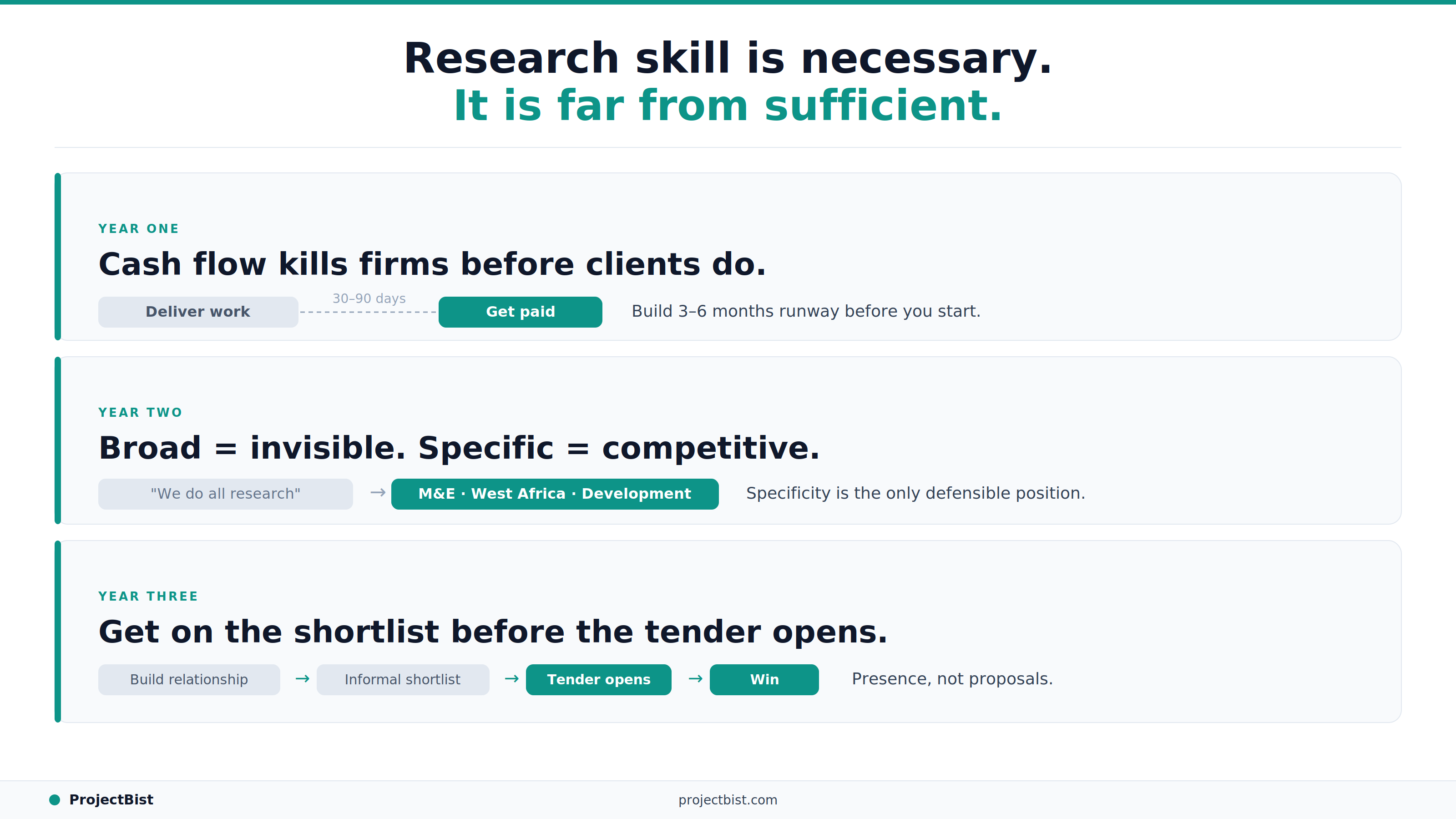
How to Build a Research Firm From Scratch: What the First Three Years Actually Require