P
Loading blog...
Loading blog...
Most proposals lose clients before page two. Here is how to write one that keeps them reading until the end.
Priya Nair
Mar 25, 2026•4 min read
You spent two hours on that proposal. You explained your methodology, listed your qualifications, and even included a detailed timeline. Then you heard nothing.
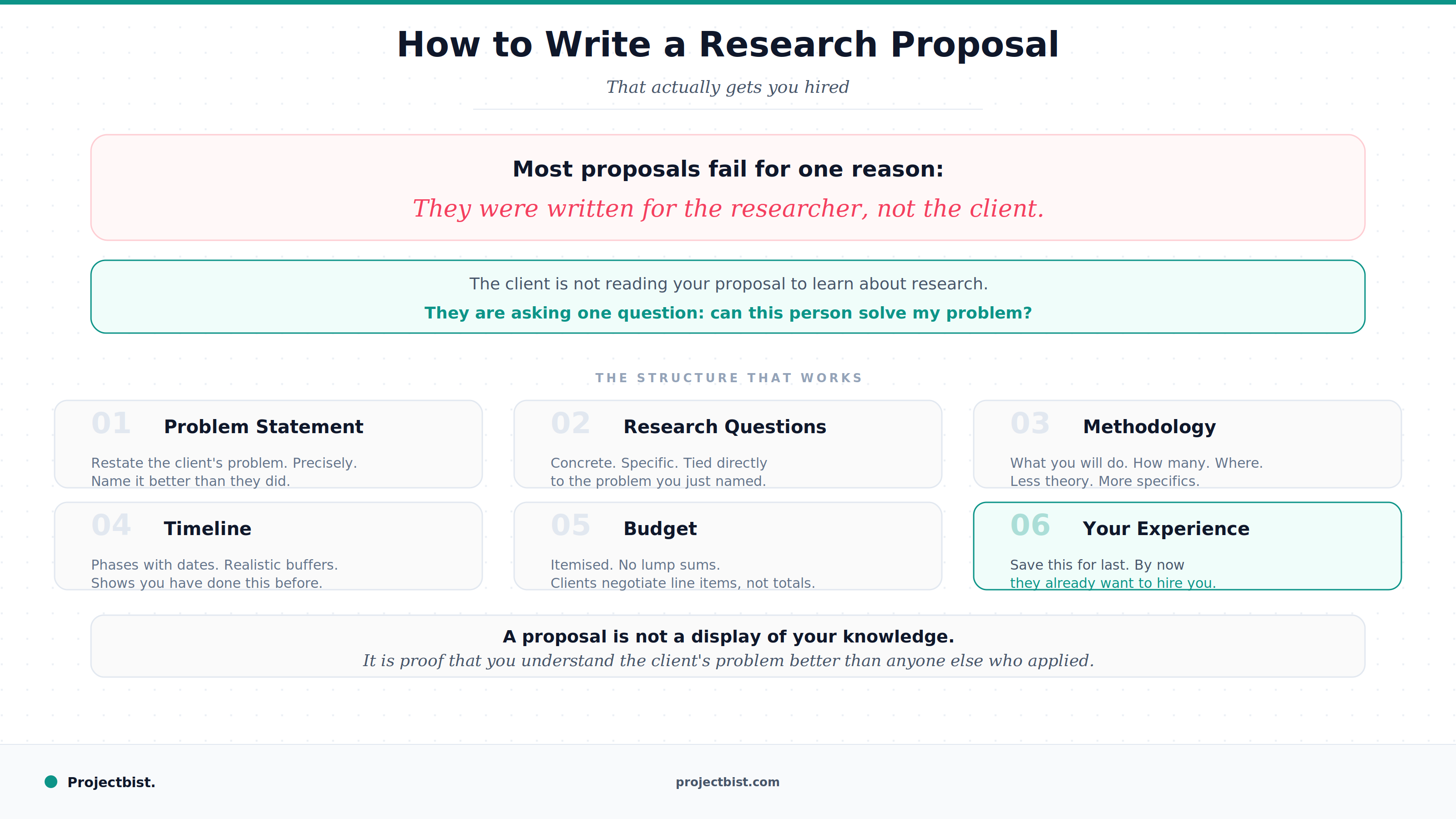
It happens more often than most researchers talk about. And in most cases, it is not because the researcher was underqualified. It is because the proposal was written for the researcher, not for the client.
A research proposal is not a report. It is a conversation starter. And like any good conversation, it needs to start with what the other person actually cares about.
According to the University of Southern California's research writing guides, a good proposal serves two purposes: it presents and justifies the need for the work, and it outlines the practical steps for how the work will be done. Both parts matter equally, and most proposals fail on the first one.
Clients are not reading your proposal to learn about research. They already know they need research. They are reading it to answer one question: can this person actually solve my problem?
A research proposal is not a display of your knowledge. It is proof that you understand the client's problem better than anyone else who applied.
There is no single universal format, but the sections below consistently appear in winning proposals across development, market research, and social sector research.
Start here, not with your credentials. Restate the client's problem in your own words, clearly and specifically. This shows you read and understood the brief. Keep it to two or three sentences. If you can name the problem more precisely than the client did, even better.
List the specific questions your research will answer. These should be concrete and directly connected to the problem statement. Vague objectives like 'to understand consumer behaviour' are not enough. 'To determine why 18 to 24-year-old users in Lagos abandon checkout before payment' is better.
This is where most proposals spend too much time on theory and not enough on specifics. Clients want to know what you will actually do: how many respondents, what data collection method, where, and over what period. If you plan to use surveys, say what platform. If you plan focus groups, say how many and how they will be recruited.
Be honest about the limitations of your approach too. Clients trust researchers who are upfront about what the method can and cannot tell them.
Break the project into phases: data collection, analysis, reporting. Give realistic dates. A timeline that promises full results in three weeks for a complex study raises questions. A timeline that breaks the work into clear stages with buffers for review shows you have done this before.
If the RFP asks for a budget, be specific. Itemise where the money goes: data collection, field team, tools, analysis, reporting. Clients who see a single lump sum with no breakdown will either reject it or push back. Clients who see a clear breakdown can engage with it, negotiate on specifics, and trust that you know your costs.
Save this for near the end. By the time the client reaches this section, they should already want to hire you based on how well you understood the problem and the approach you proposed. Your credentials confirm what they already suspect. Keep this section short: one or two relevant projects with specific outputs, not a full CV.
The best proposals read like a conversation with someone who genuinely understands the client's situation. Not someone performing expertise. Not someone covering every possible angle. Someone who can say: here is what you need, here is how I will do it, here is what it will cost, and here is when you will have it.
That clarity is what separates proposals that get responses from proposals that get filed away.
ProjectBist connects research professionals with verified project opportunities.
Browse Open Research Projectsarrow_forwardNewsletter
Personalize your updates! Subscribe to ProjectBist's Newsletter and choose from the following categories.
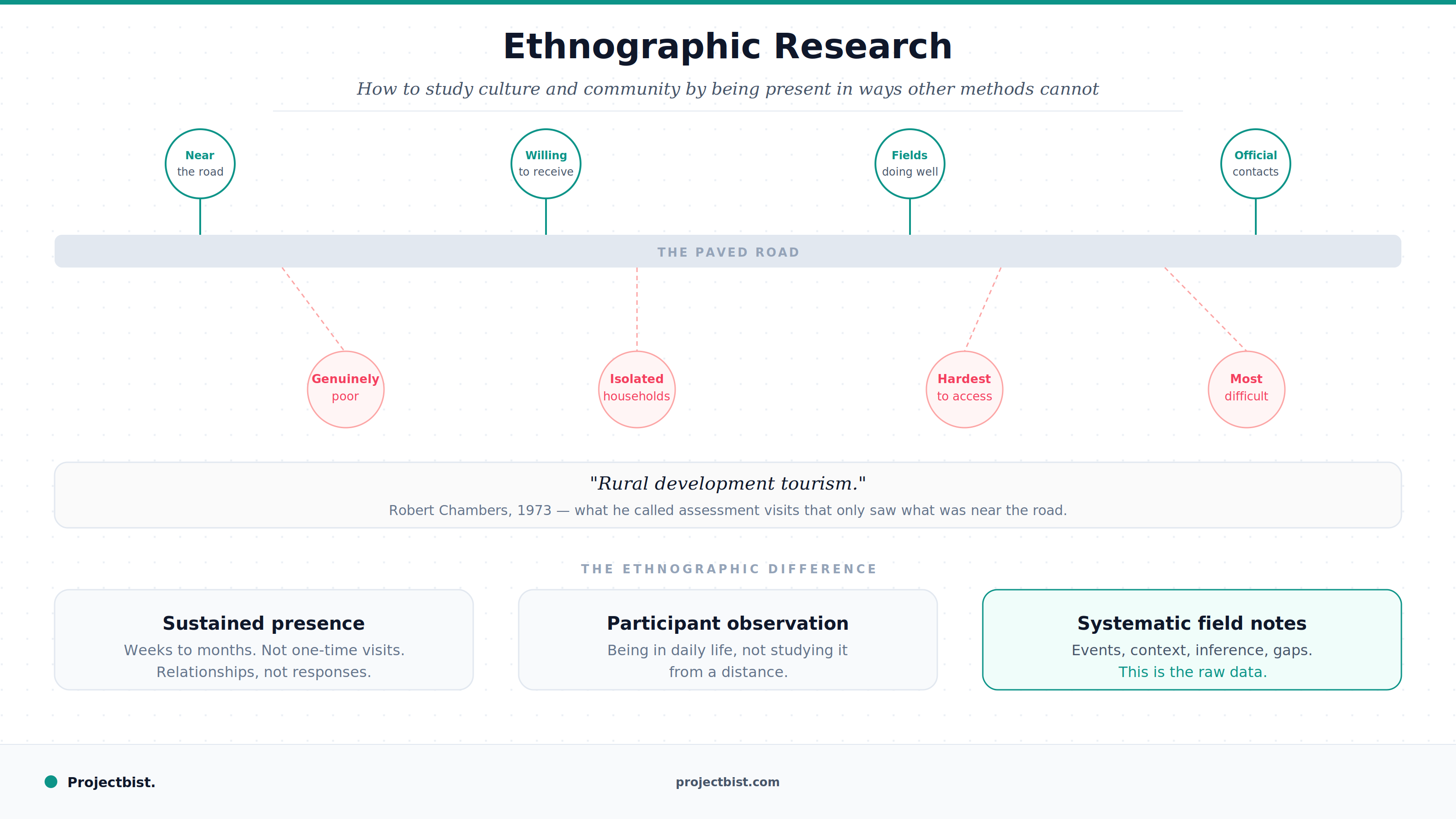
Ethnographic Research: How to Study Culture and Community by Being Present in Ways Other Methods Cannot
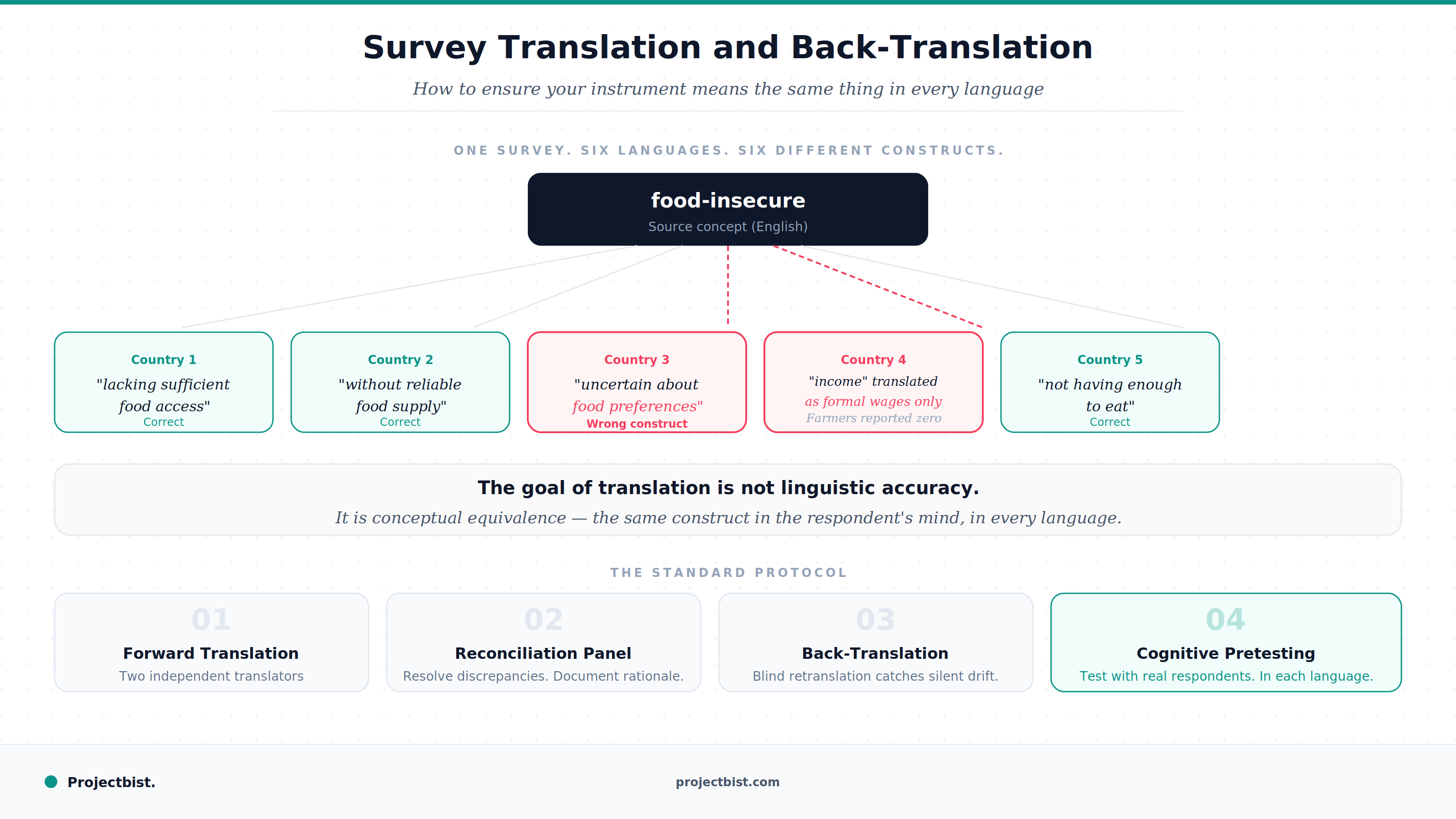
Survey Translation and Back-Translation: How to Ensure Your Instrument Means the Same Thing in Every Language
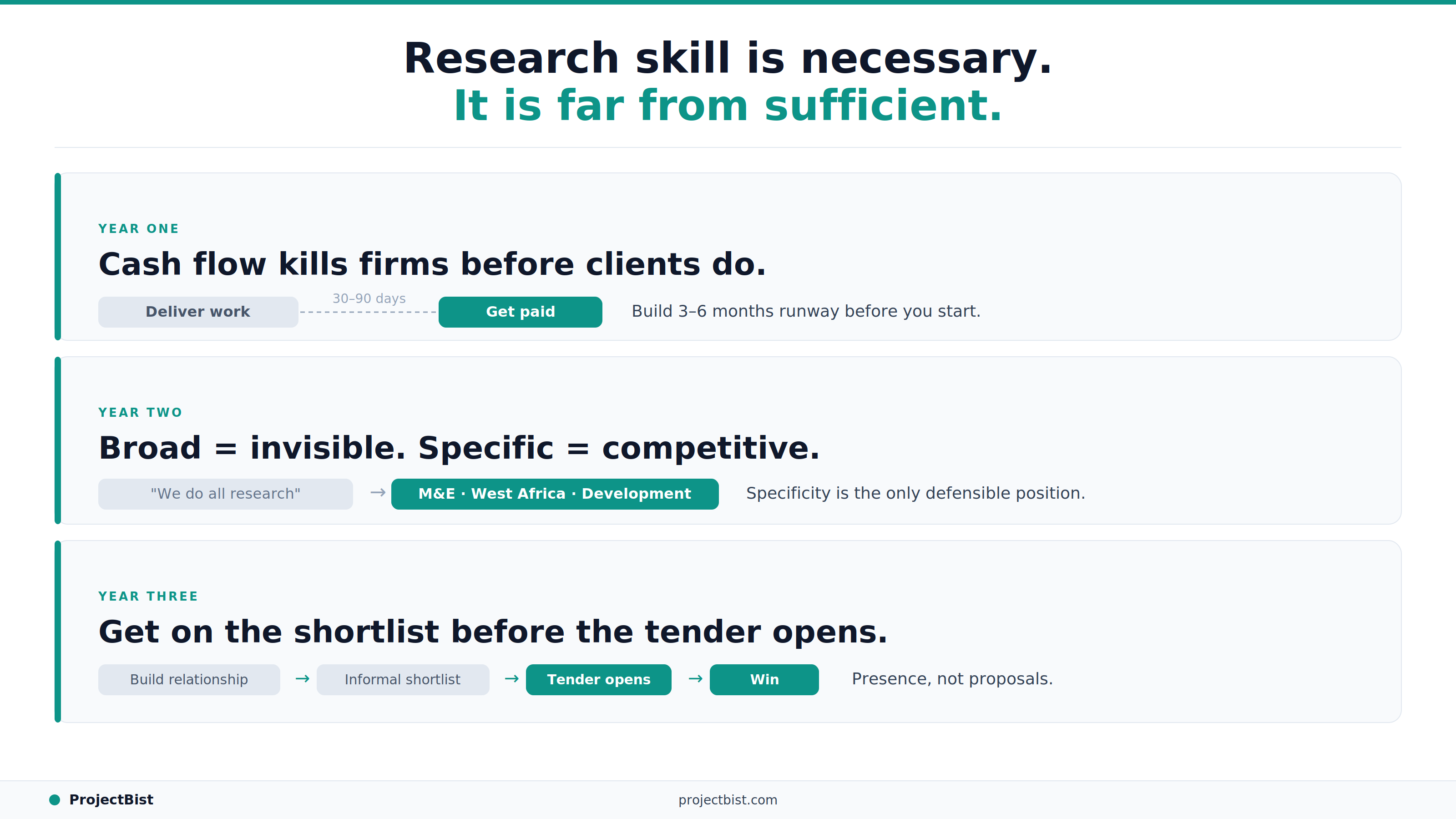
How to Build a Research Firm From Scratch: What the First Three Years Actually Require